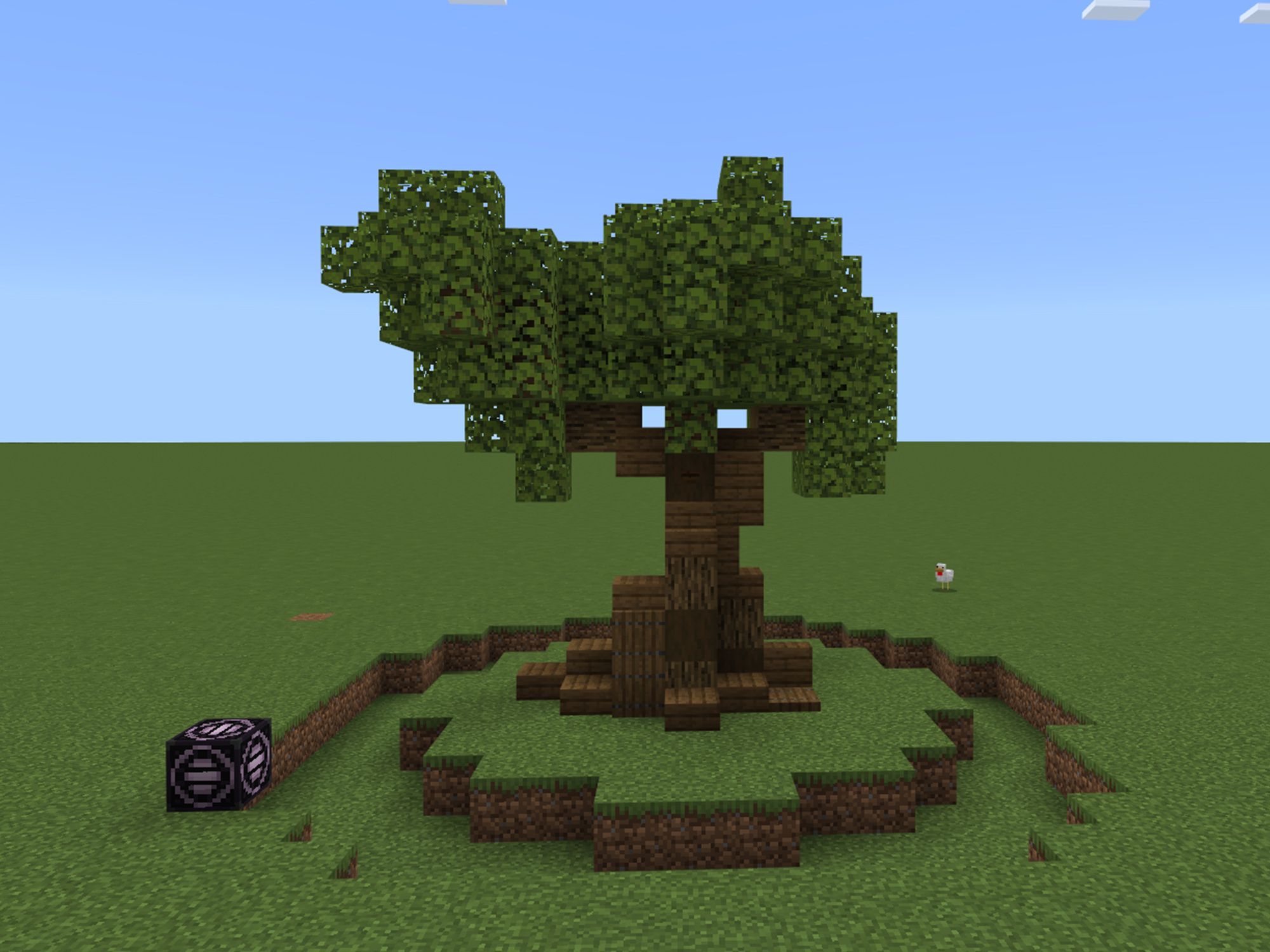
The original version of the tree still inside Minecraft

Traditional crafting meets modern 3D printing

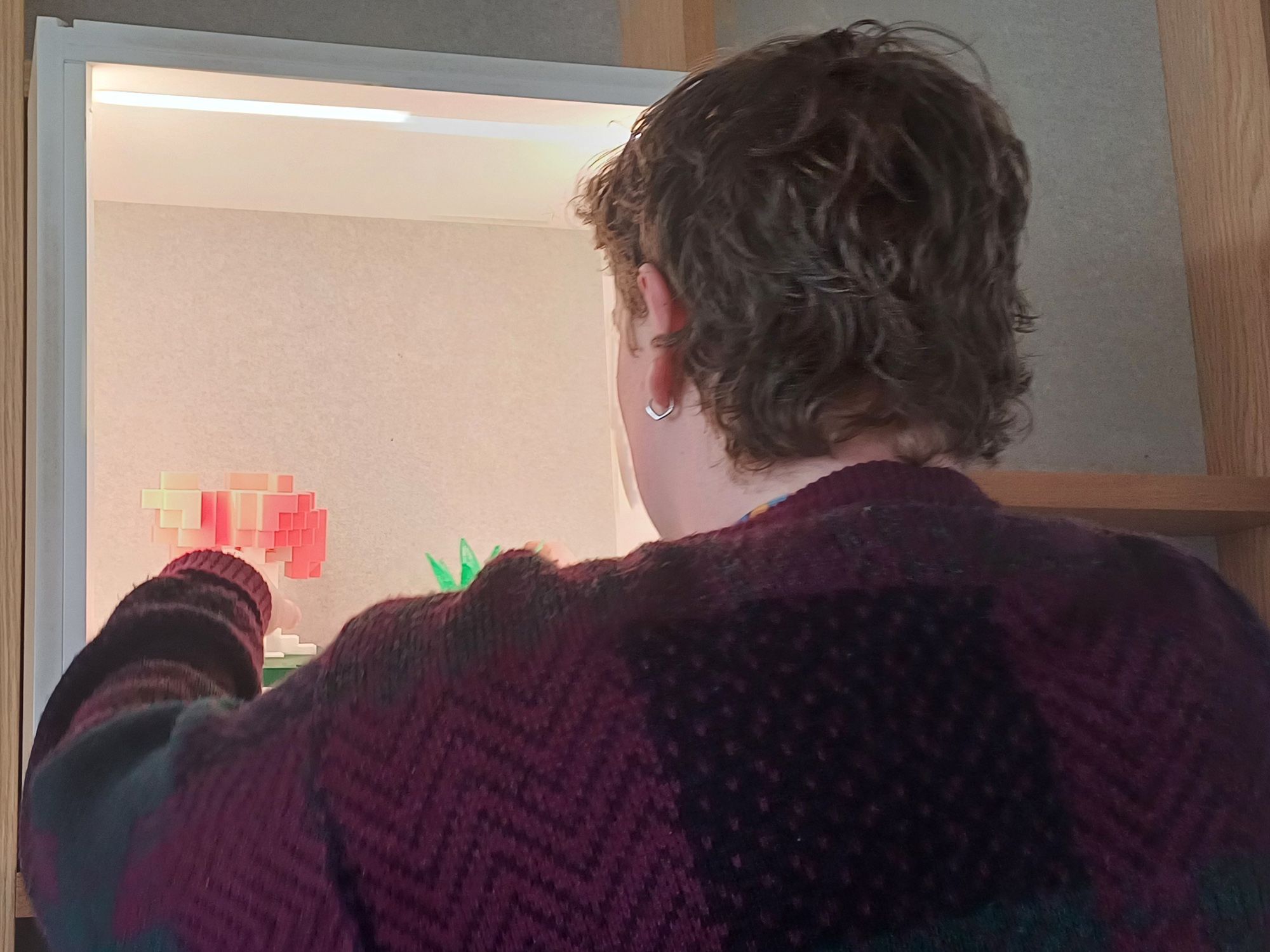
Charlie making final touches to the display

Charlie’s Minecraft Bonsai Tree

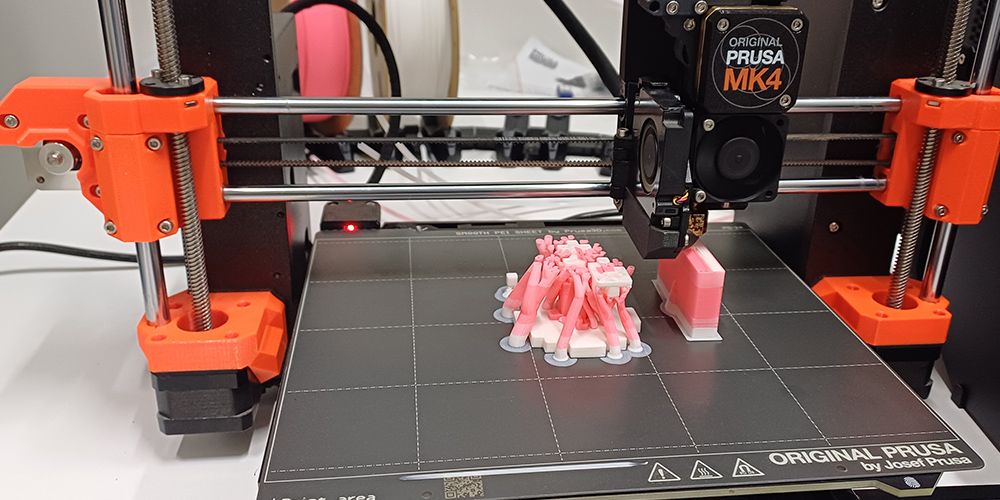
This display combines two creative tools: Minecraft and a 3D printing pen. The bonsai tree was built in Minecraft Education Edition, exported with a structure block as an .obj file, and then prepared in PrusaSlicer. It was printed on Leeston Library and Service Centre’s Prusa MK3 with the MMU3 upgrade, allowing up to five colours of filament to be used in one print.

The project faced challenges along the way. Early exports from Minecraft removed key blocks that were needed for stability, which meant the process had to be repeated several times until a usable file was created. Printing in multiple colours also caused problems, with long 16-hour prints shifting layers. The solution was to split the model in two and join it afterwards.


On display

Minecraft bonsai tree and potted succulent created by Charlie Hofmeester at Selwyn Libraries. These items are displayed on a wooden stand generously provided by the Rolleston Men’s Shed.
5.1 supporting.jpg

A prototype copy of the Minecraft tree printing on the Prusa MK4 with the MMU3 Upgrade
Making the leaves

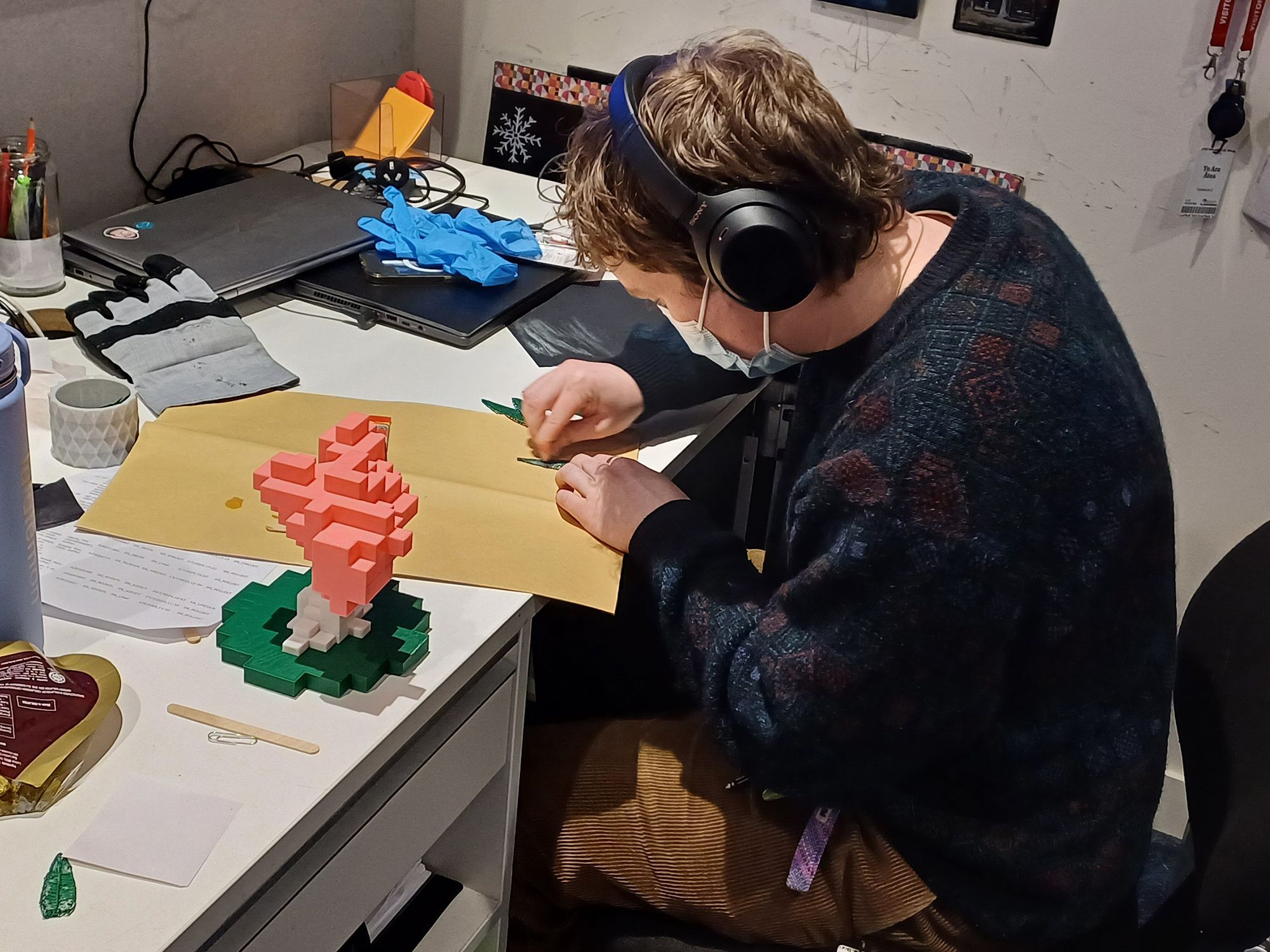
The succulent was made using a stencil from the 3Doodler website. I traced each leaf with the 3D printing pen, then welded them together and placed them in a 3D-printed pot to create the final complete plant.

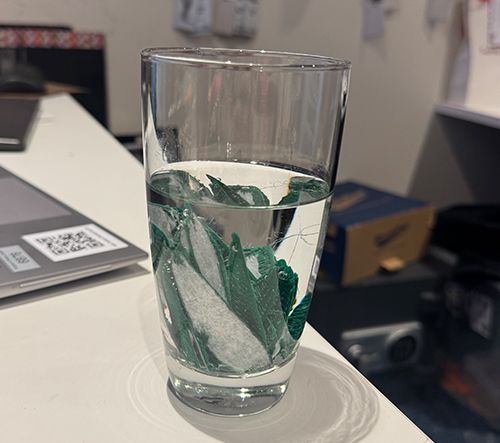
The process required significant refinement to get a clean result. Because the leaves were traced directly from paper stencils, small fragments of paper became stuck to the surface during construction. These were then sanded away by hand, then improved further by being soaked in warm water to soften and remove any remaining residue. The result was a more polished handmade model that highlights the versatility of 3D printing pens.

5.2 supporting 2.jpg

Leaves being soaked in water to remove excess residue

Finishing touches

This image shows Charlie arranging the finished 3D prints inside the display case, the final steps in preparing the exhibition. Objects were carefully placed to ensure that every piece can be clearly seen and appreciated. Hopefully everyone will enjoy this display which was created to inspire creativity and discovery amongst Tamariki.