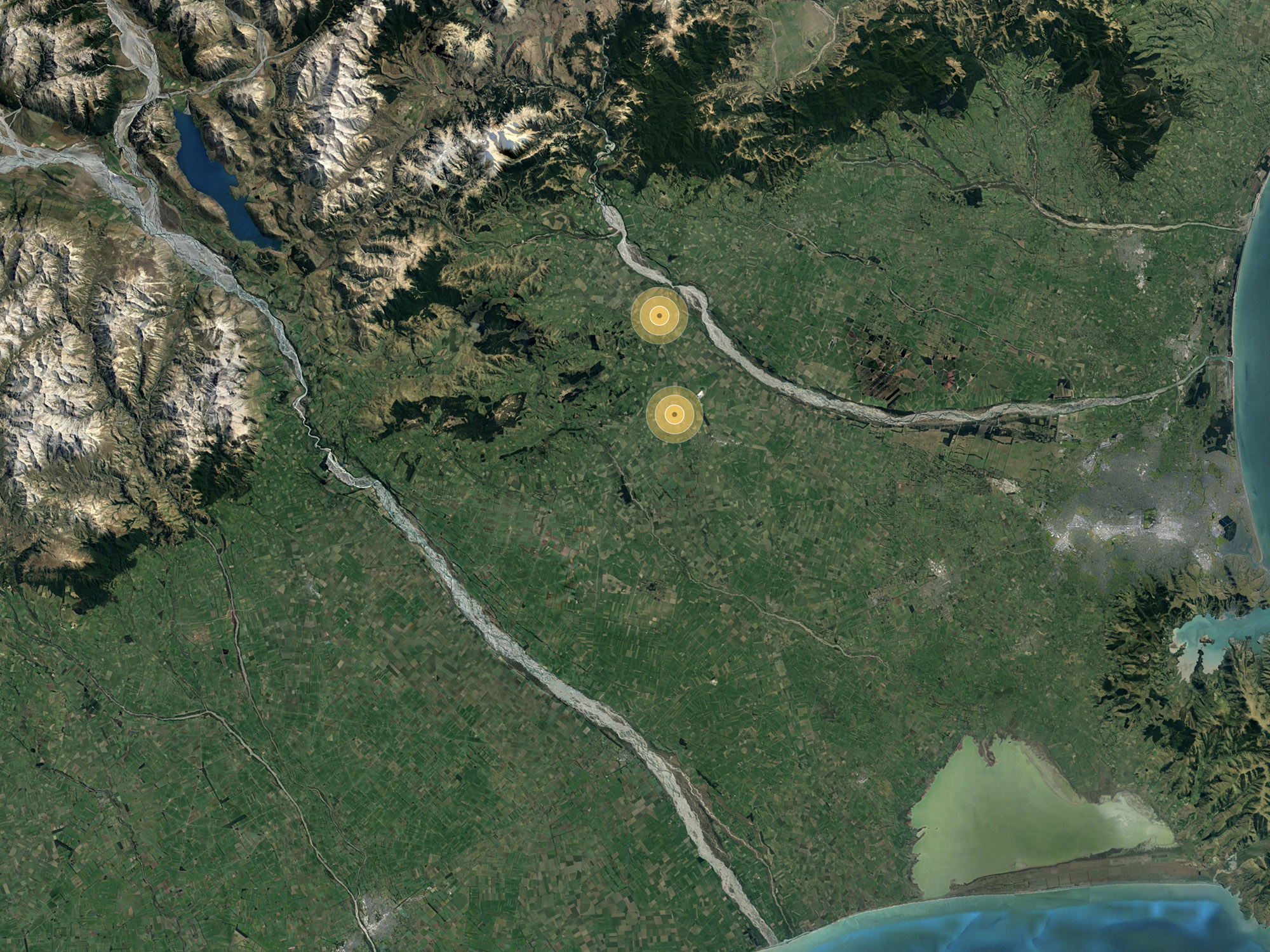
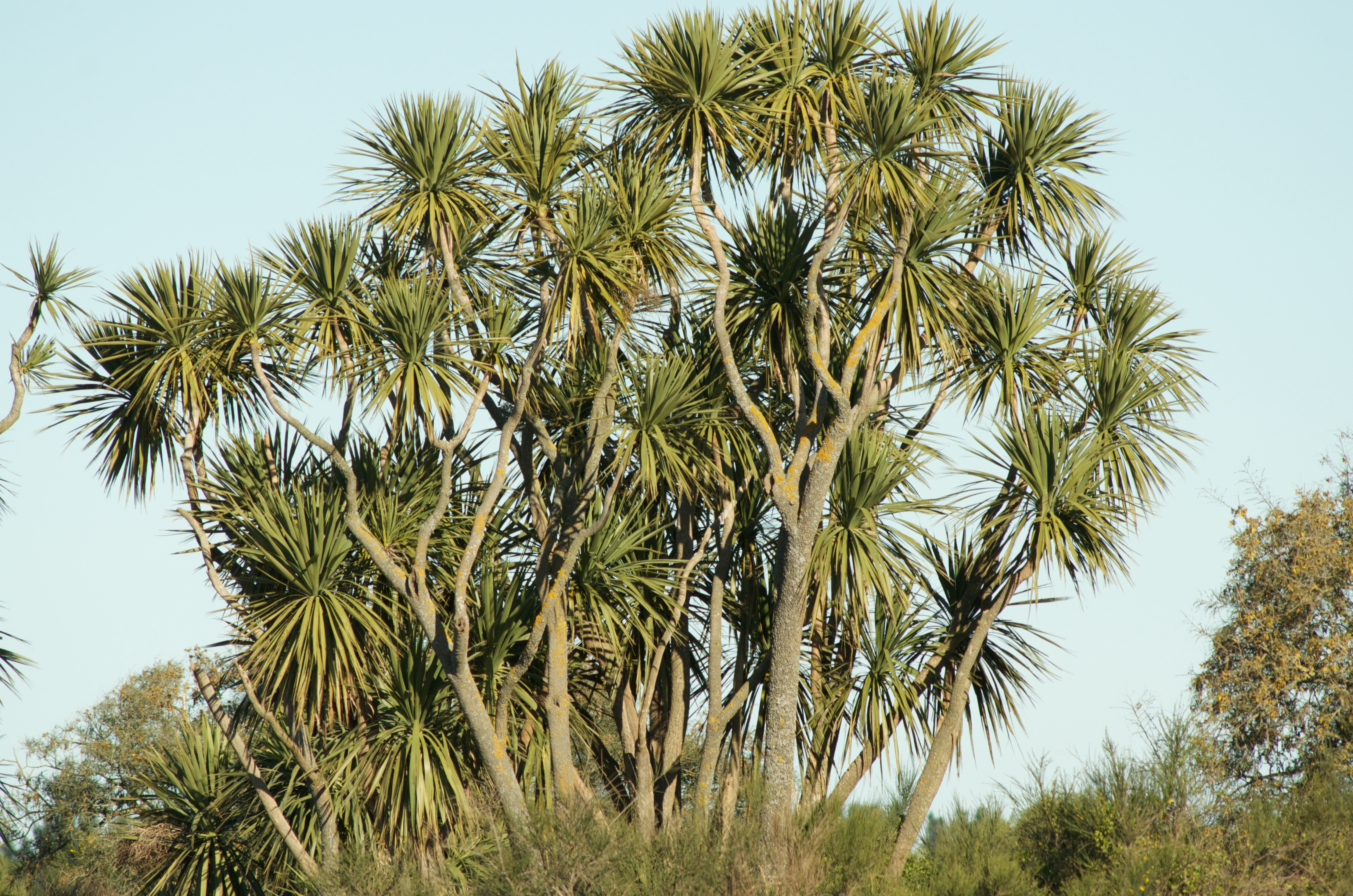
Tērā pea he taputapu mātaka ēnei toki e rua i whakamahia mō te hauhake huka i te Waipounamu. Ko te pūtake o taua hauhake ko te tī kōuka – he rākau e kitea nuitia ana puta noa i Aotearoa, he rākau mīharo anō hoki.
I mua i te pūwhenuatia e te Pākehā he tino maha kā uru tī kōuka puta noa i kā pākihi me kā riu hahaka o Te Waipounamu. I kā rā whiore o te kōaka, i te raumati hoki, te wā e tino nui ai te huka i roto i te rākau, ka hauhaketia kā kakau o ruka me kā tāmore. Poroa ai ēnei ki tētahi roaka ōrite, ka pūkaitia, ka taona i rō hāki kaitā rawa – e ai ki kā kōrero he 20 mā te mita te rahi o ētahi o kā rua.
Whai muri i te rua rā pea, ka tāpatupatutia te tī kōuka maoa ki te whakawehe atu i te weu i te toeka mākaro kī tonu i te huka – te kāuru. Opea ai tēnei, ka whakamaroketia hei keke kia taea ai te rokiroki.
Kei te whakaaturia
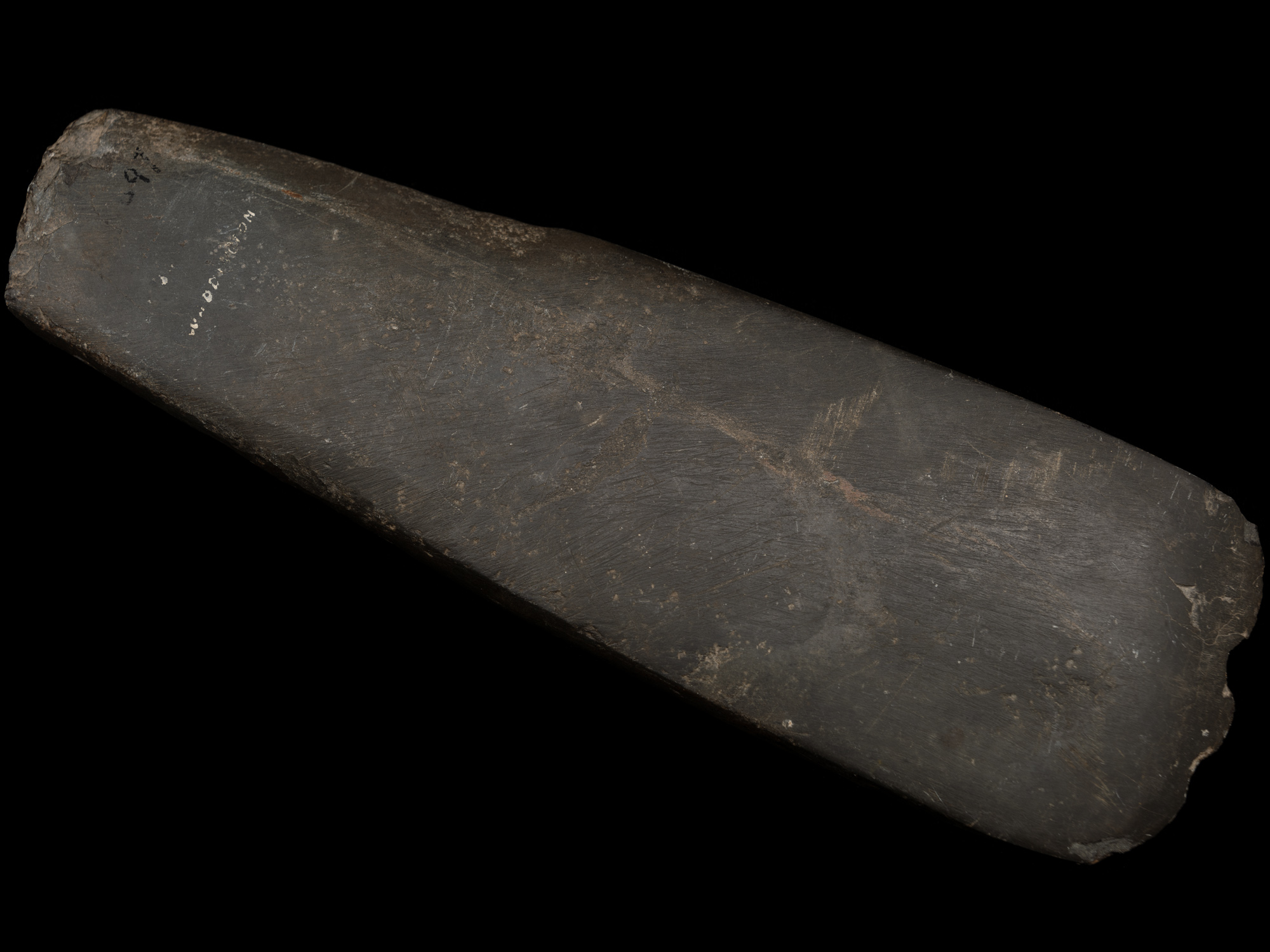
Toki made of greywacke, probably used for splitting tī kōuka taproots, found near Darfield, Selwyn District
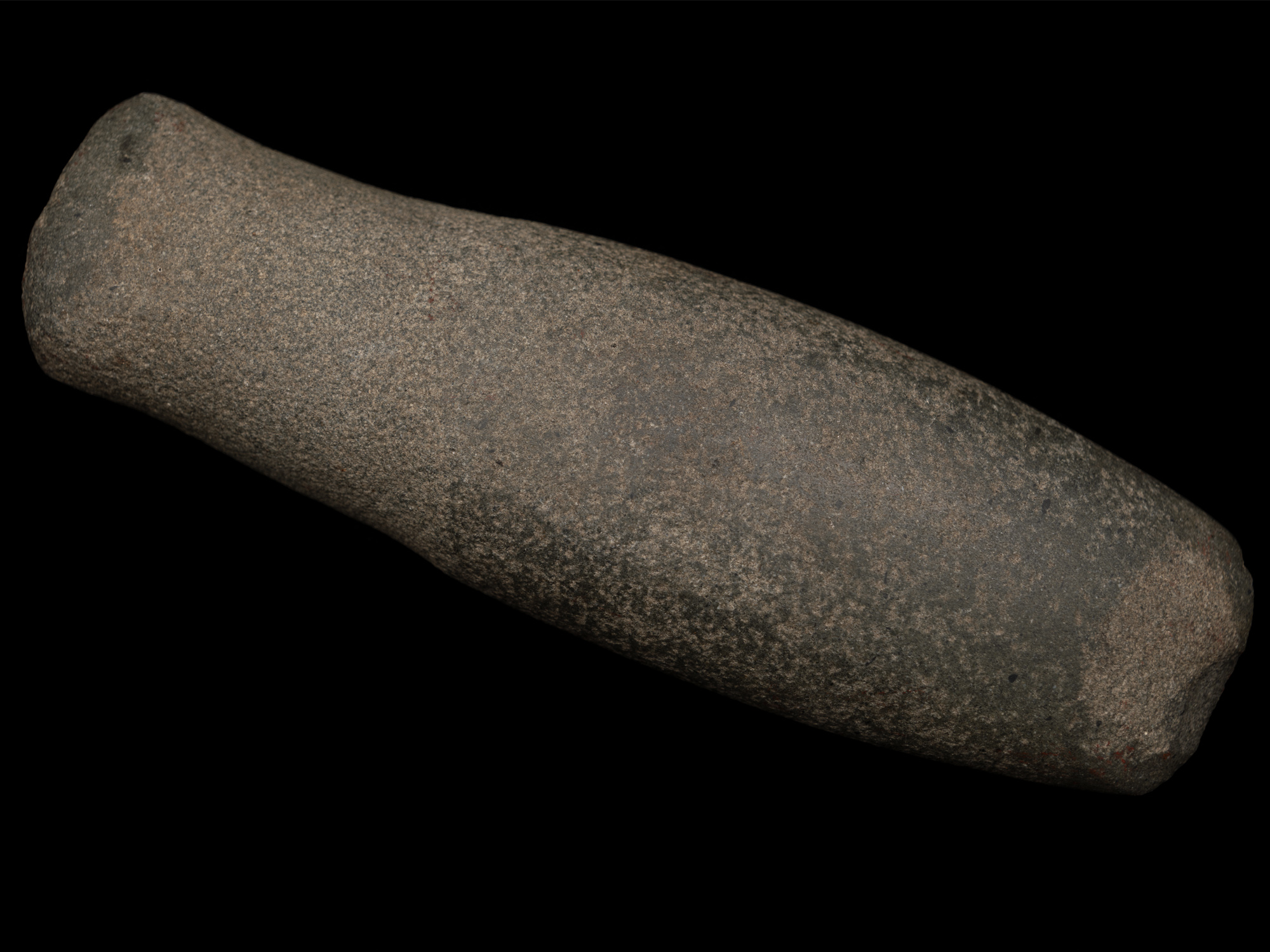
Toki made of greywacke, probably used for digging up tī kōuka taproots, found near Darfield, Selwyn District
On loan from Canterbury Museum (E134.2.2; E141.15)
These two toki (adzes) are probably specialist tools used for a Te Waipounamu sugar harvest. The harvest’s source was tī kōuka, the cabbage tree – a rākau found throughout Aotearoa, and a wonder plant.
Before Pākehā colonisation, large tī kōuka plantations were common throughout the plains and lower valleys of Te Waipounamu. During late spring and summer, when the tree’s sugar content was richest, its upper stems and taproots could be harvested. These were cut to length, stacked and cooked in massive hāki – pits as large as 20 by 30 metres have been recorded.
After a couple of days, the cooked tī kōuka would be beaten to separate the fibre from a sugar-rich mealy mass – te kāuru. This would be scraped out and dried in cakes for storage.
On display
Toki made of greywacke, probably used for splitting tī kōuka taproots, found near Darfield, Selwyn District
Toki made of greywacke, probably used for digging up tī kōuka taproots, found near Darfield, Selwyn District
On loan from Canterbury Museum (E134.2.2; E141.15)