Herbarium
1 March - 1 September 2023
Te Ara Ātea
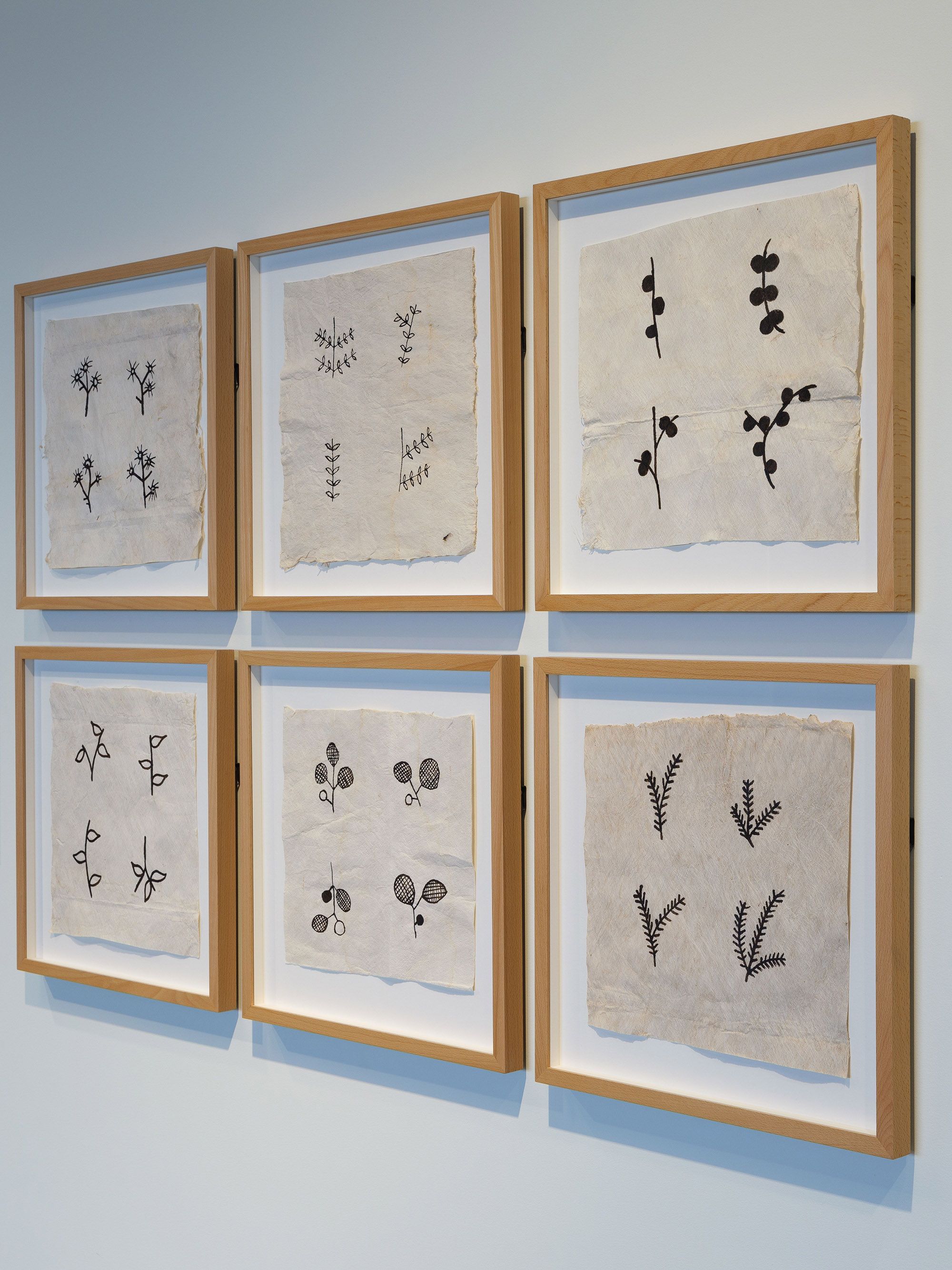
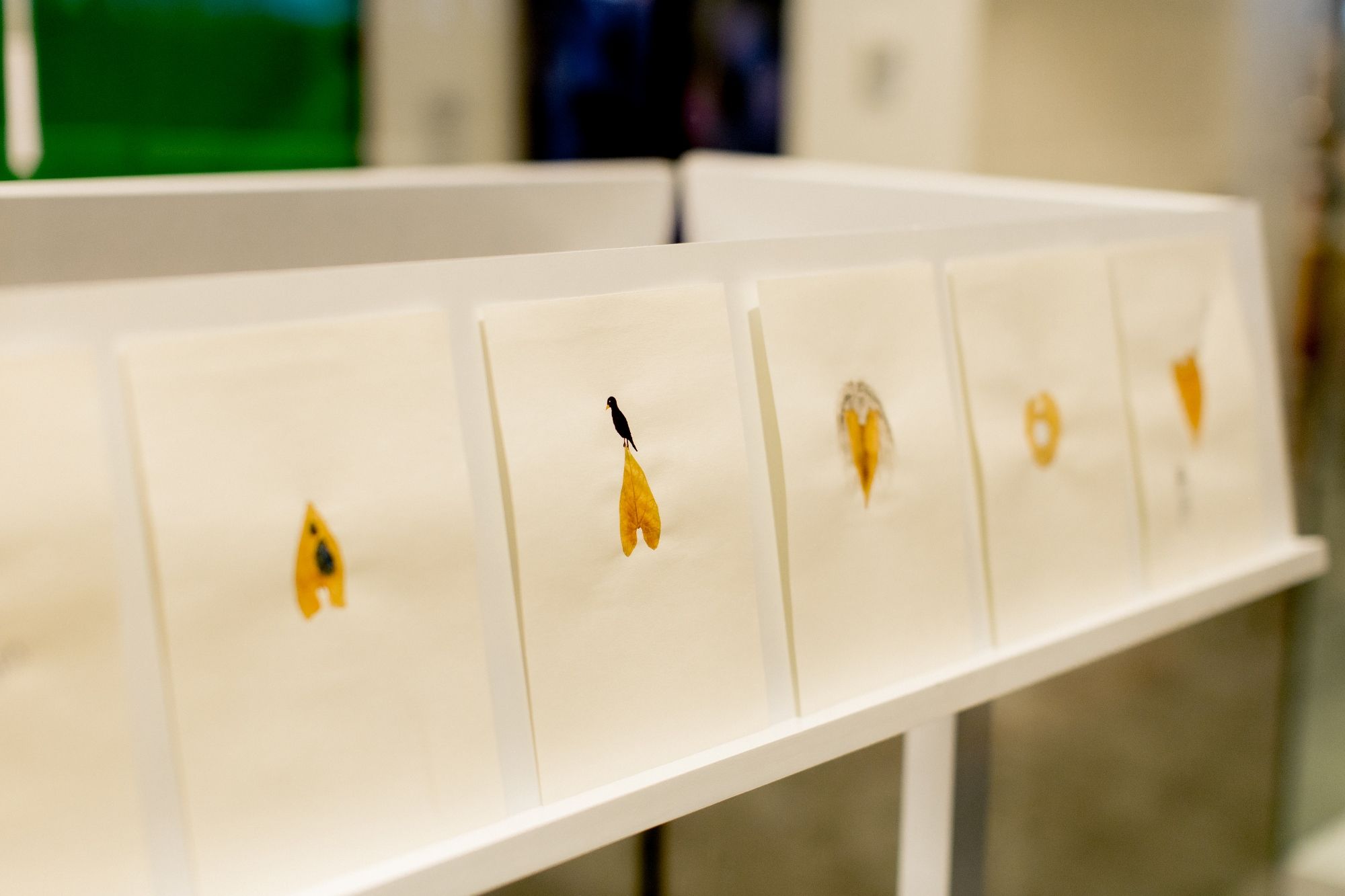
A series of works from Lincoln University’s collection by Cora-Allan Lafaiki Twiss (Ngāpuhi, Ngātitumutumu / Alofi, Liku) is the starting point for this exhibition. Using hiapo, a traditional Niuean method of painting on bark cloth, Twiss’ Plant Sampler series documents simplified patterns, created during the 2020 lockdown. The plants selected by Lafaiki Twiss for these works are celebrated for their cultural significance – plants used for ceremony, everyday cooking and crafts.
Down the road from Lincoln University is Manaaki Whenua Landcare Research, which houses the Allan Herbarium. Over 800,000 specimens are held in the collection, two-thirds of which are indigenous plants. The oldest specimens are from Captain James Cook's first voyage to Aotearoa New Zealand, collected by botanists Joseph Banks and Daniel Solander. Manaaki Whenua cares for 91 specimens from this voyage, collected during the ship’s eight landfalls on the North and South Island.
The process of collection was a laborious one. Multiple specimens were collected, sketched by the ship’s artists, dried on the ship’s sails or the sand, and then pressed. They returned to England in 1771 with around 350 species of New Zealand vascular plants, pressed between misprinted pages of Milton’s Paradise Lost. The majority of the collection is now held in the British Museum, with duplicates held by Te Papa Tongarewa and Manaaki Whenua.
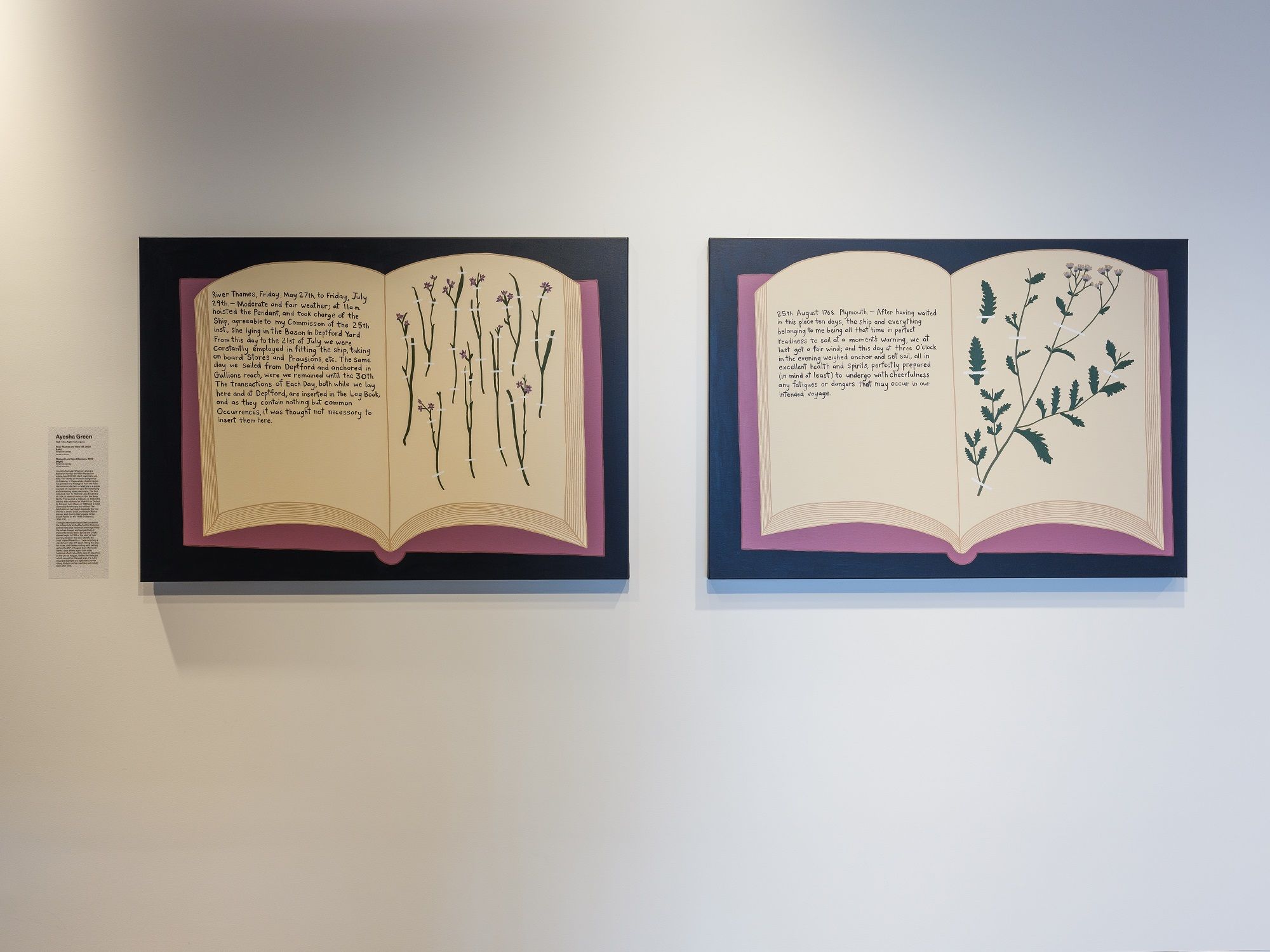
In this exhibition, artists approach this history from different perspectives. Ngāi Tahu artist Ayesha Green has long been interested in Joseph Banks and systems of classification, particularly the ways in which early botanical research and processes of re-naming contributed to both the amassing of new knowledge, and the loss of traditional and indigenous knowledge. The specimens were renamed by Banks and Solander, often not so subtly for themselves and members of the ship’s crew (i.e astelia banksii, Astelia solandri, Phormium cookianum). With the loss of the indigenous names came a loss of indigenous knowledge.
In her paintings, River Thames and View Hill, and Plymouth and Lake Ellesmere, Green pairs the first diary entries alongside holotypes. A holotype is a single specimen and used to describe a new species. Once collected, this original holotype fixes and defines their species, with all other specimens compared to it. Undercutting the fixed nature of holotypes, Green presents the slippery realm of diary entries. Though diaries are often used as primary historical documents, the accounts by Banks and Cook contradict each other. While these texts are often used to bolster master narratives, Green’s presentation of them reminds us to examine their reliability.
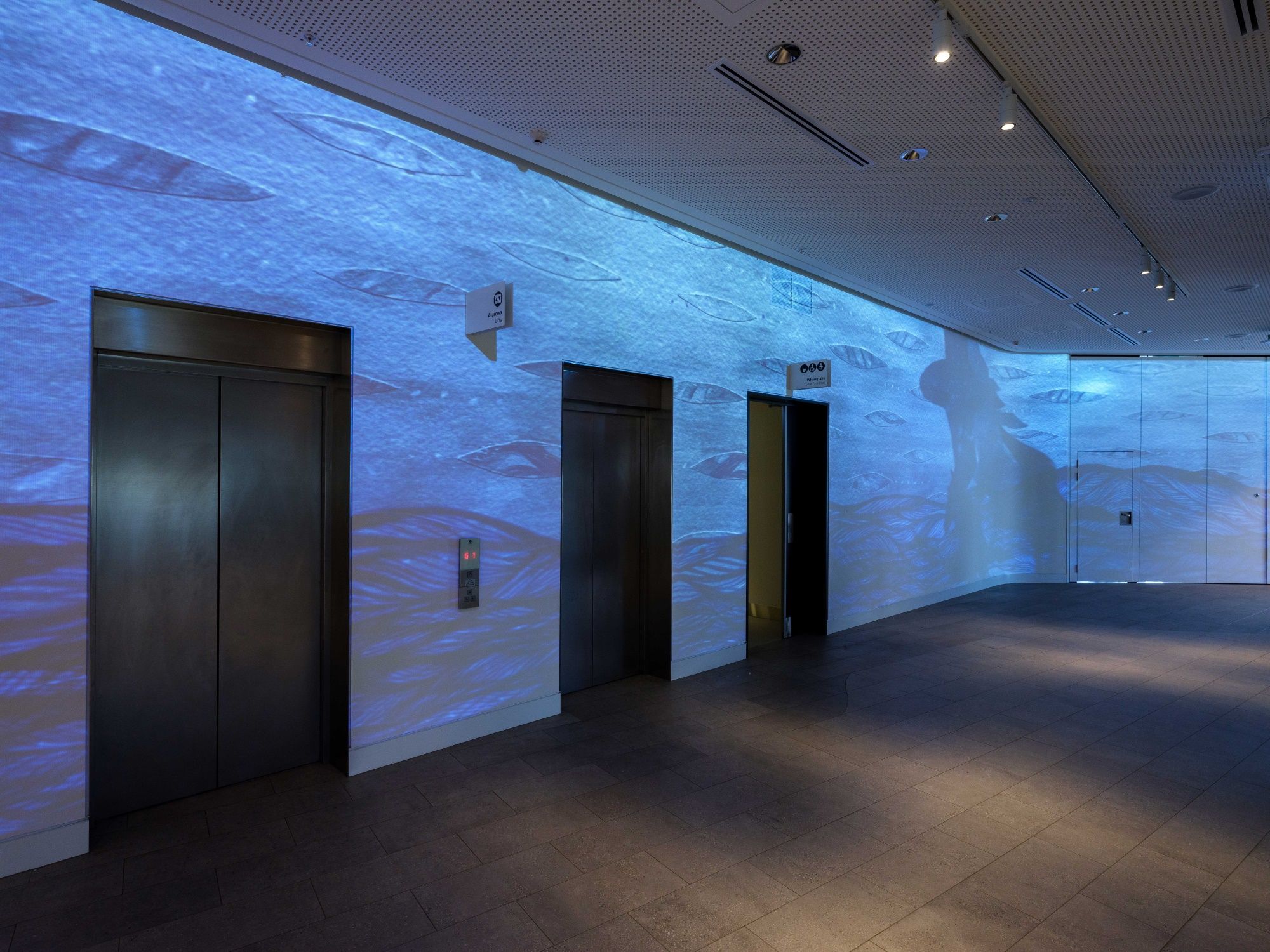
This leads us to the video work Te Korowai a Kahukura by Ngāi Tahu filmmaker, Louise Potiki-Bryant. For Louise, the history of plants in Aotearoa doesn't start with Cook's first voyage, nor the arrival of Polynesian settlers. Louise returns to a Ngāi Tahu creation story in which Tūterakiwhānoa, Marokura, and Kahukura shape the wreckage of Te Waka o Aoraki to form Te Waipounamu the South Island. It was Kahukura's role to adorn the land with plants and birds, and in her film Louise responds to this pūrakau by reuniting indigenous names with local native flora.
Different world-views intersect in these points of departure. Artworks by indigenous, moana artists consider the plants central to their cultural practices and those of their tīpuna. The Banks/Solander collection has been crucial in understanding the indigenous flora of Aotearoa New Zealand, but particularly in the face of the rapid spread of exotic plant species, many of which have been invasive and detrimental to a fragile indigenous ecosystem. Ayesha Green’s work grapples with this paradox, seeking knowledge about the history of her whenua through the work of early colonial scientists.
As interest in the regeneration of indigenous species around Aotearoa increases, more questions and challenges come forward. After European arrival in New Zealand, exotic species soon outnumbered indigenous ones. Wetlands were drained, bush and tussock land was cleared. But contemporarily, the reality is more complex than native = good; exotic = bad. Many of our introduced flora have provided new habitats for native birds; pine and eucalypt forests are useful for capturing carbon and acting as nursey trees for native seedlings; and much of New Zealand’s agricultural economy is based on exotic flora. The categorisation of plants into ‘invasive’ or ‘weed’ is complicated, a question that is considered by other artists in this exhibition.
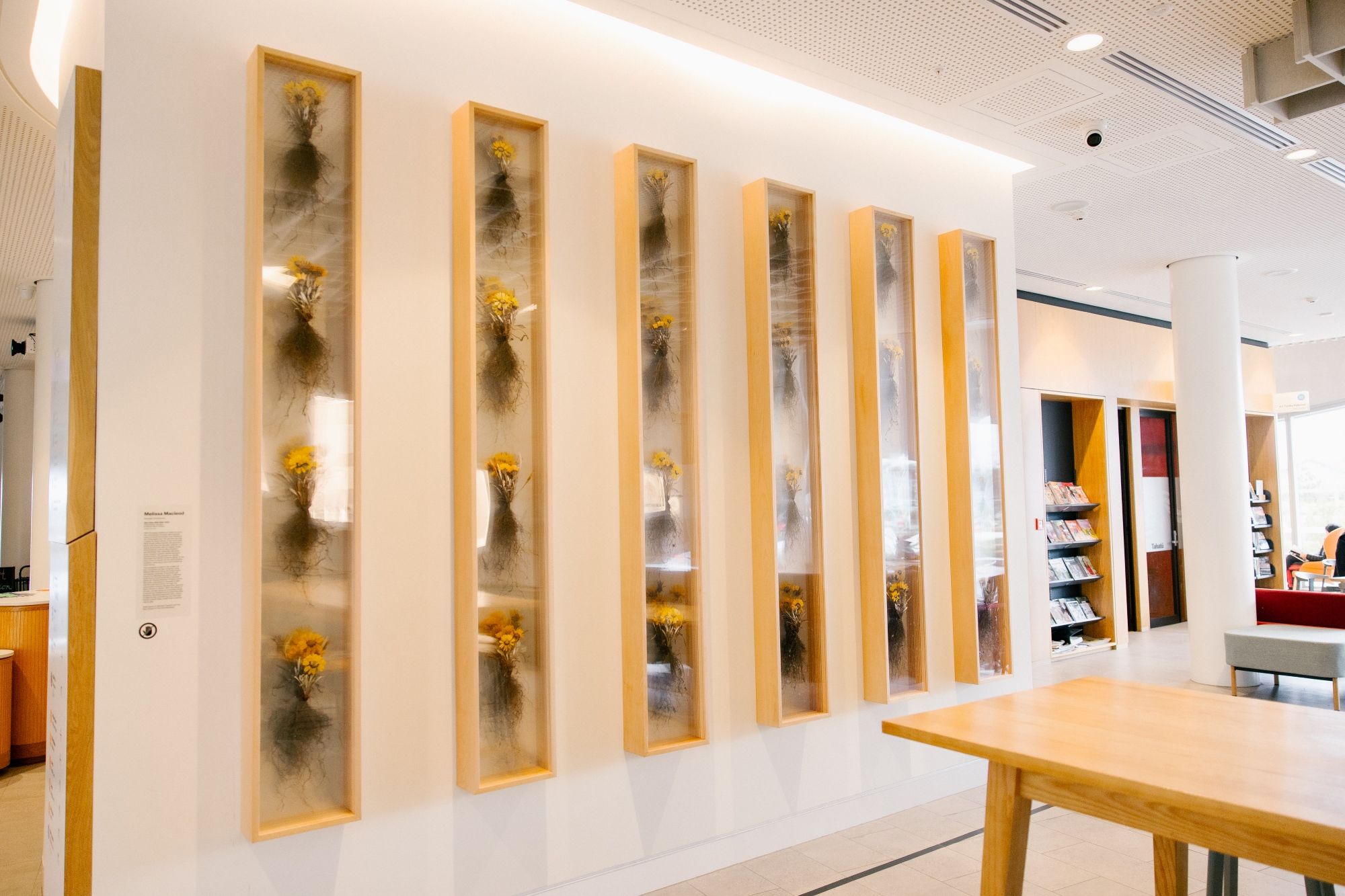
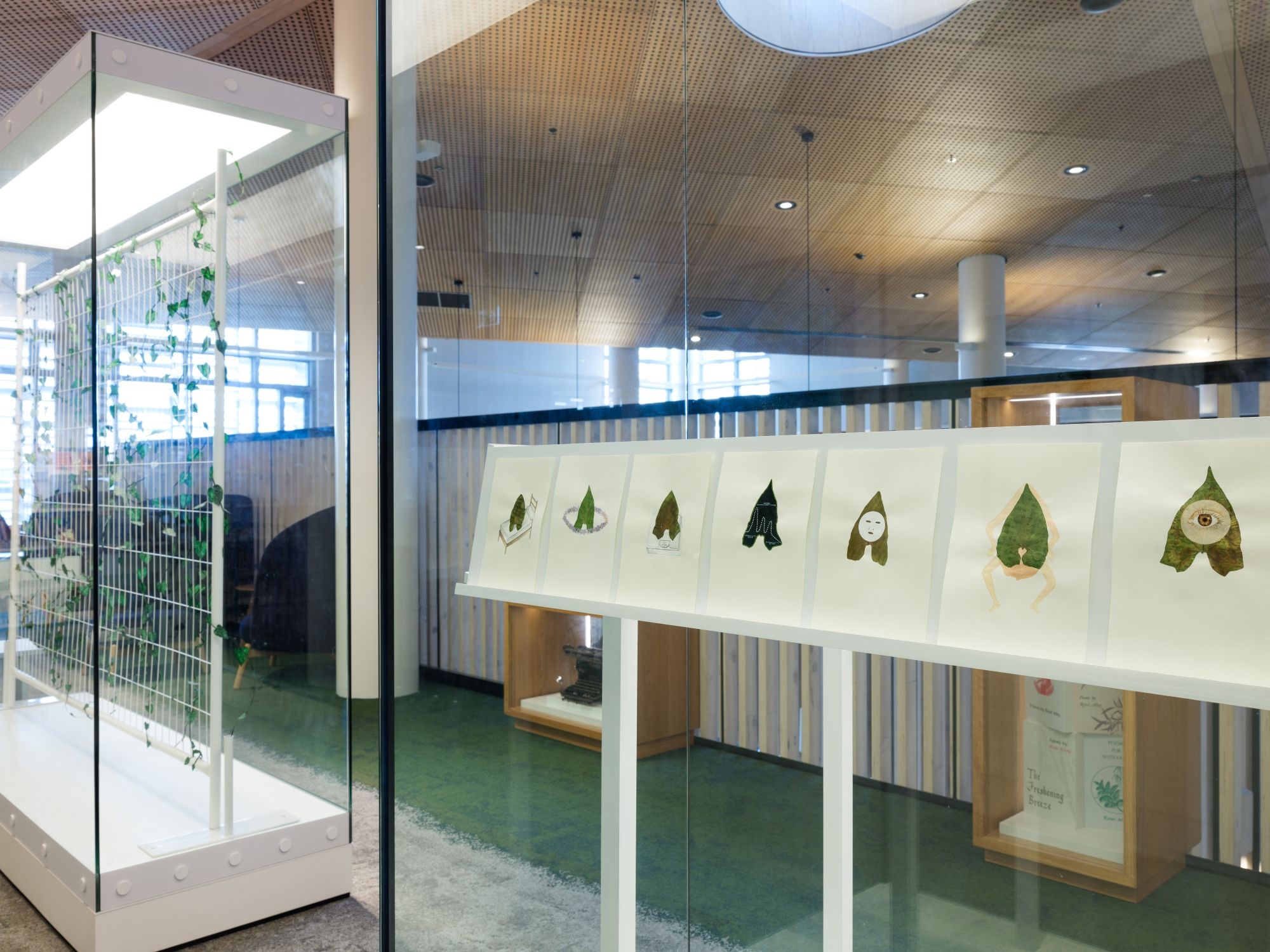
New Brighton artist Melissa Mcleod's artwork New Days (168/365) focusses on a little-known coastal daisy. The Gazania is a plant familiar to local coastal locations such as New Brighton and Birdlings Flat. It is grown purposefully in gardens and on verges in these coastal communities while at the same time being defined as a noxious weed. As a result it is often victim to large-scale eradication attempts. Upstairs, Convolvulus Diaries by Ōtautahi artist Zina Swanson draws attention to another exotic species often described as a difficult to control 'bindweed'. Zina uses the traditional documentation and display methods of botanists to highlight the physical characteristics of the plants and their flowers, elevating their status within this new context.
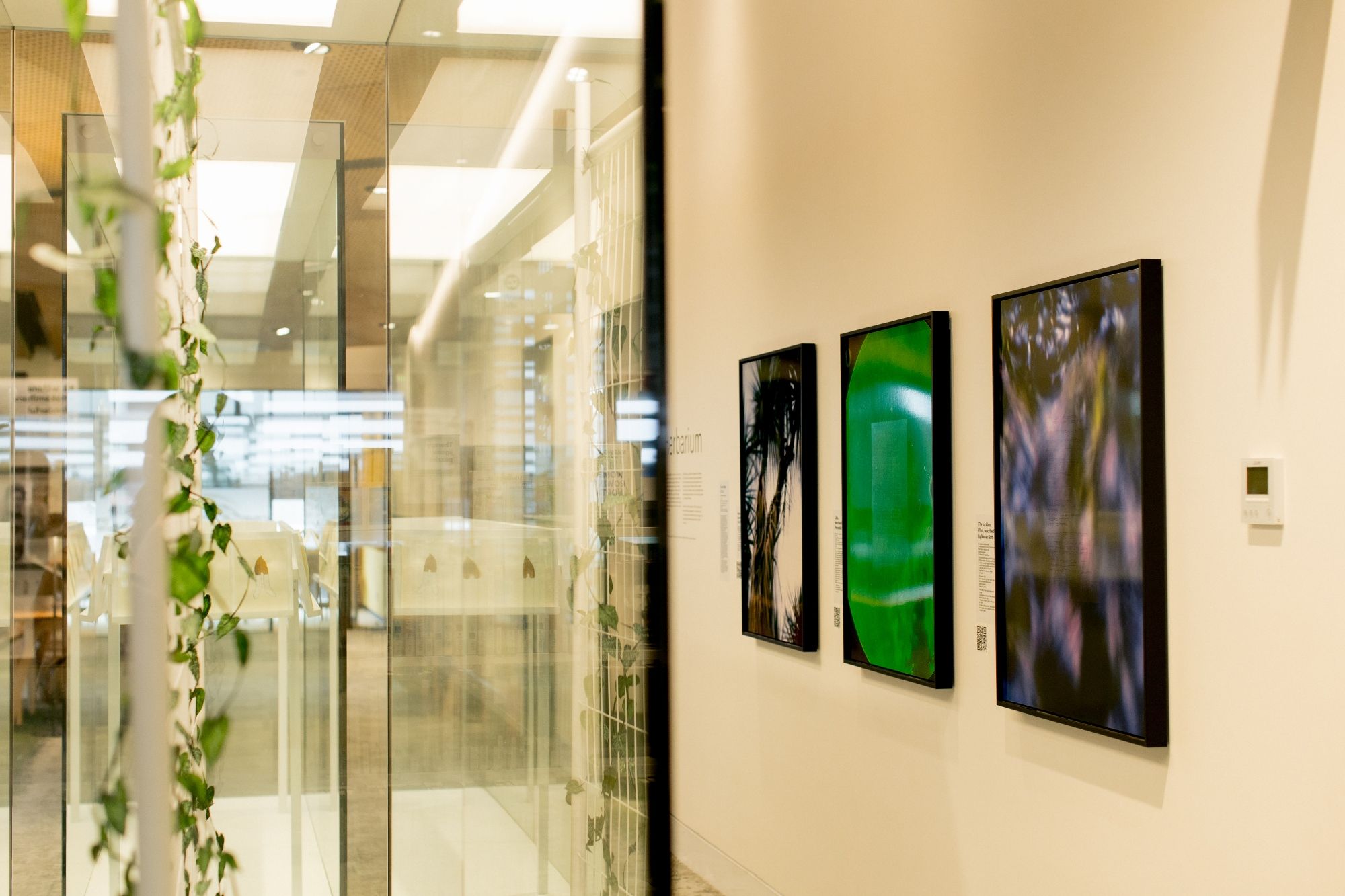
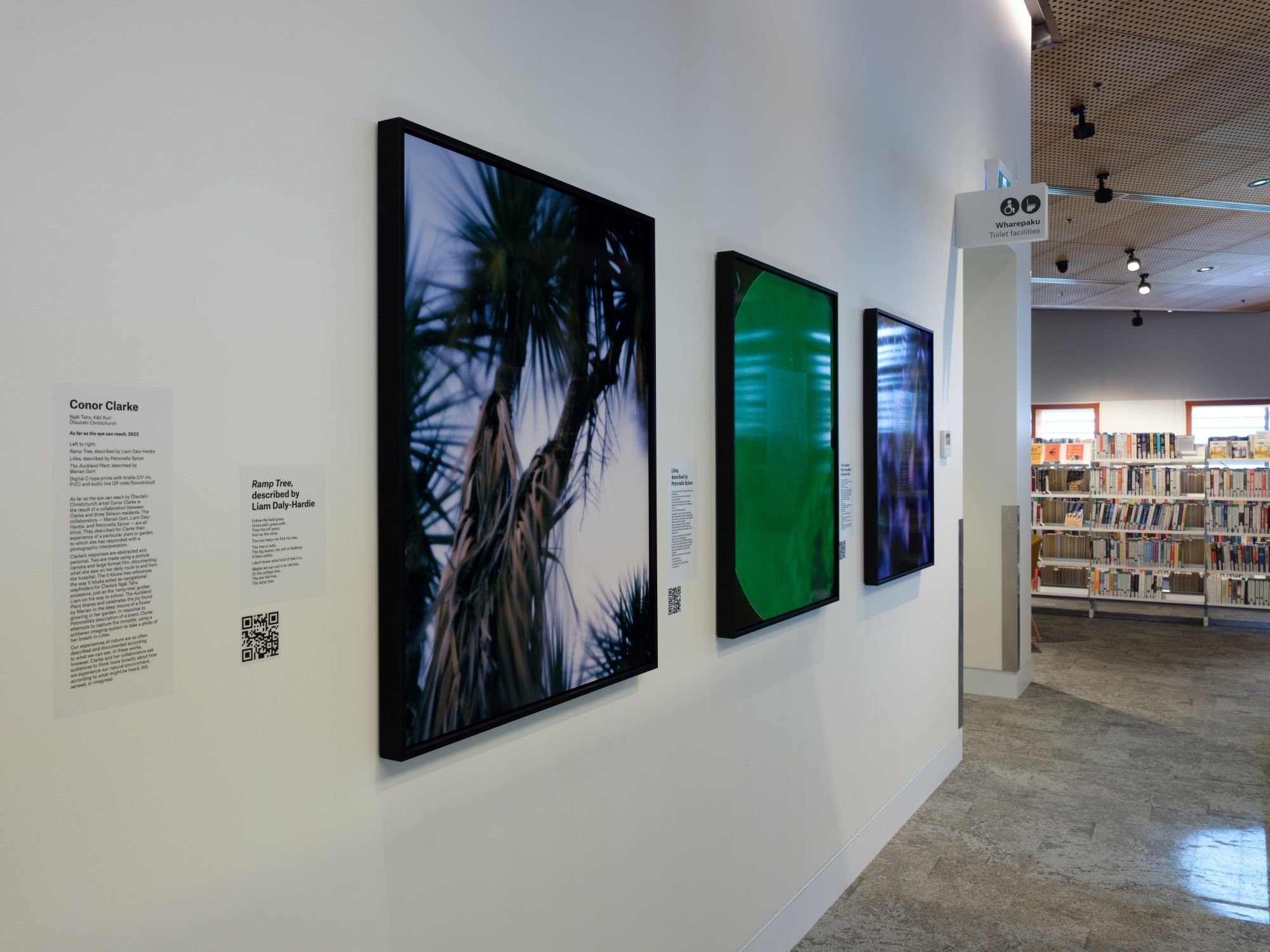
In As far as the eye can reach, Ngāi Tahu photographic artist Conor Clarke considers domestic relationships with plants in her collaborations with members of Selwyn's Blind and low vision community. Descriptions from her collaborators inform a photographic image made by Conor, which are then printed with braille and accompanied with audio versions of their original descriptions.
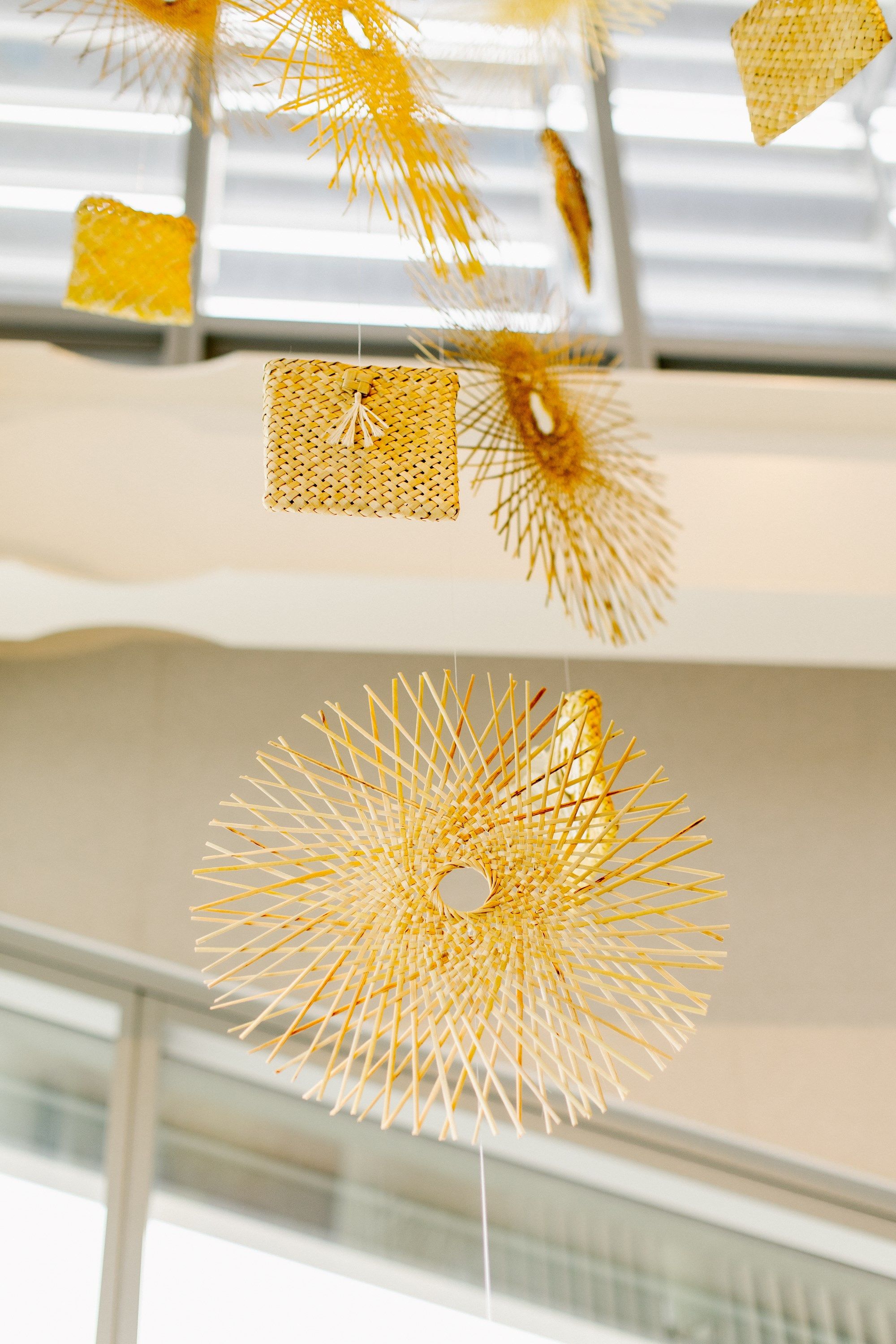
Finally, Te Kāhui Hono, a collective of local weavers who whakapapa to different iwi around Aotearoa, return to Manaaki Whenua, this time engaging with a living collection of harakeke. Manaaki Whenua is kaitiaki of a collection of traditional weaving varieties of harakeke donated by Rene Orchiston of Gisborne in 1987 as well as the Provenance Collection, made up of specimens collected from more remote locations. In He Taonga Mutunga Kore individual weavers from this collective have each utilised the varieties of harakeke from the whenua they whakapapa to. Together, their contributions highlight the significance of harakeke to the wellbeing of Māori culture – historically and contemporarily – harakeke being an essential commodity in its role as clothing, sandals, containers, mats, fishing nets, lines and sails, traps and cordage, and adornment.
Herbarium will invite audiences to think critically about the plant life they engage with on a daily basis, and the impact that our botanical collection histories, language, and growing environmental awareness has on what we value.