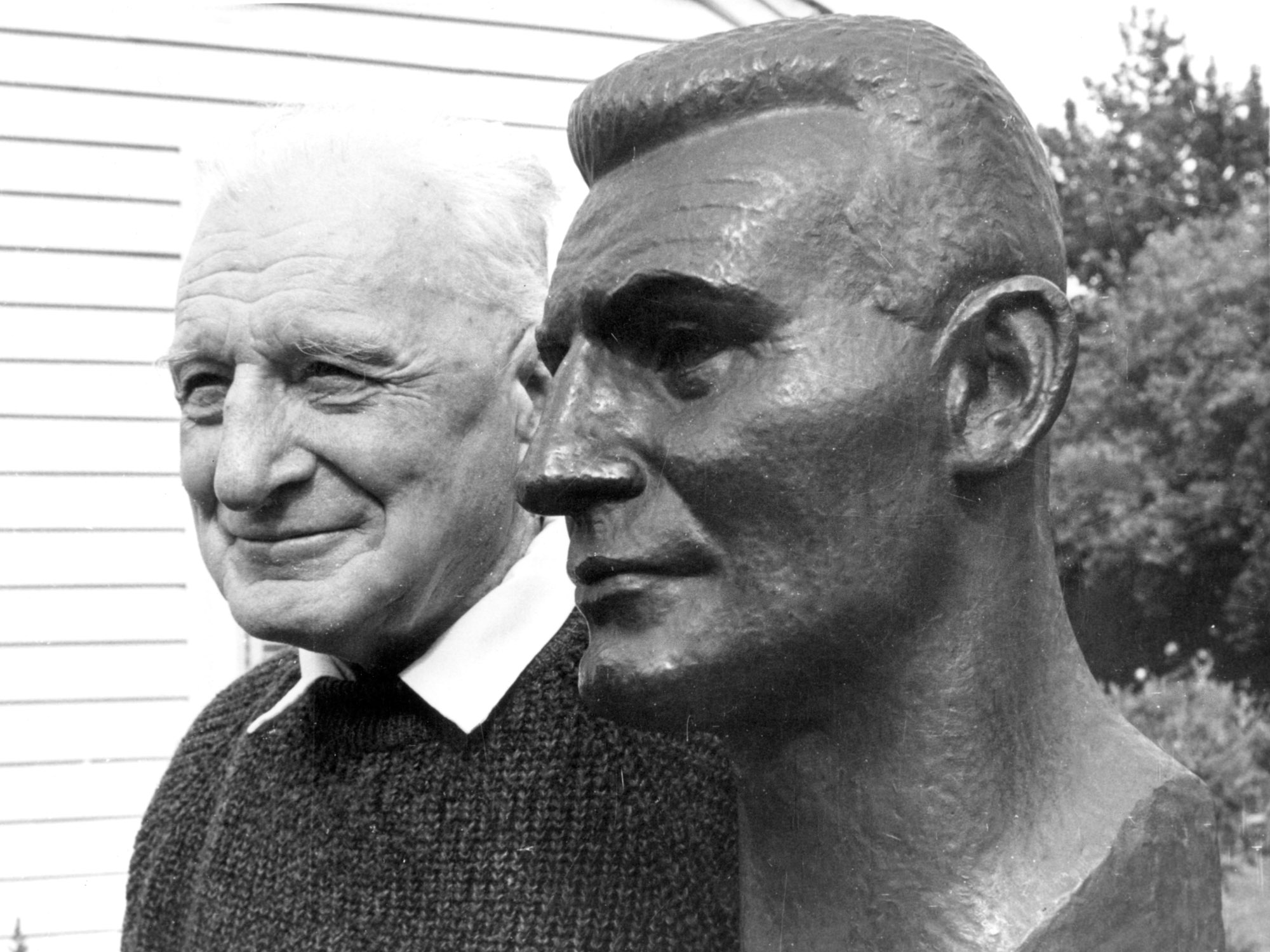
Francis A. Shurrock’s bronze bust of Rewi was exhibited in 1939 at the Royal Academy, London. It was lost at sea on the way to New Zealand during World War II and recast by Shurrock and Alley’s friends in 1958.

Rewi Alley and the recast bust, published in The Press 25 November 1971. Canterbury Museum (CM2007.63.70)

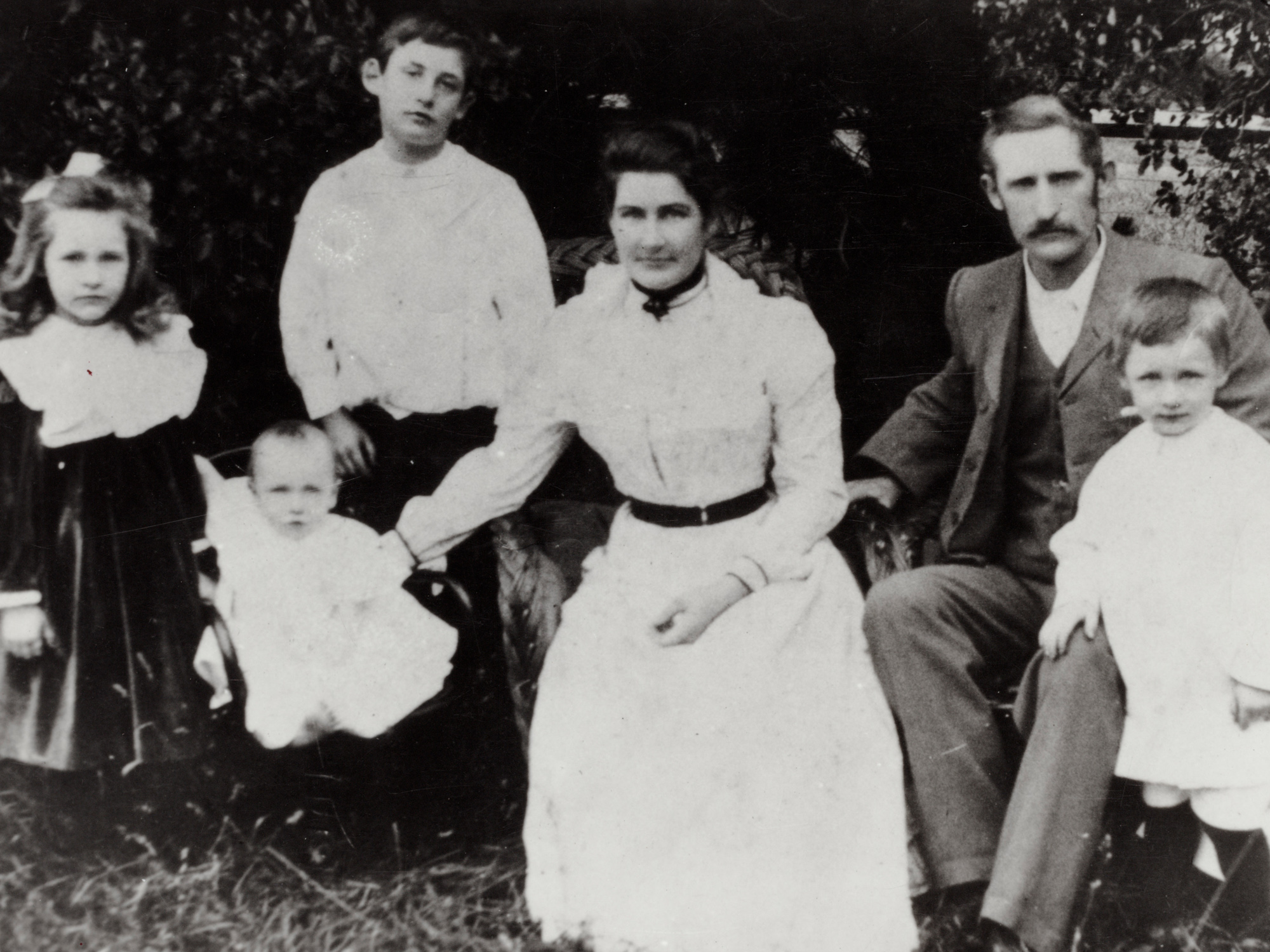
Clara and Frederick Alley with the first four of their seven children: (from left) Gwen, Philip, Eric and, right of the parents, Rewi.

Alexander Turnbull Library (PA1-q-662-10-2)

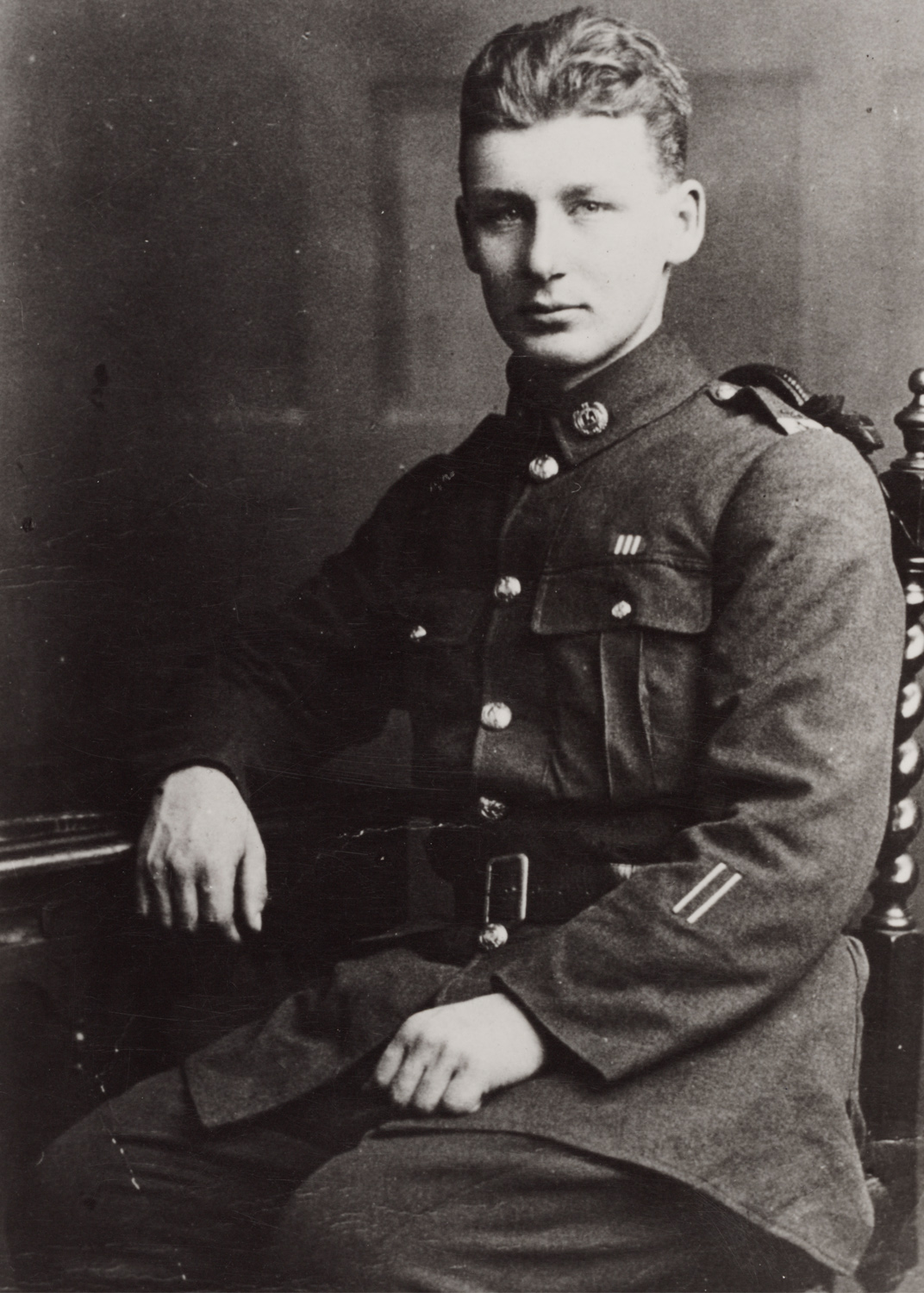
Rewi Alley in uniform, about 1917.

Alexander Turnbull Library (PA1-q-662-12-3)

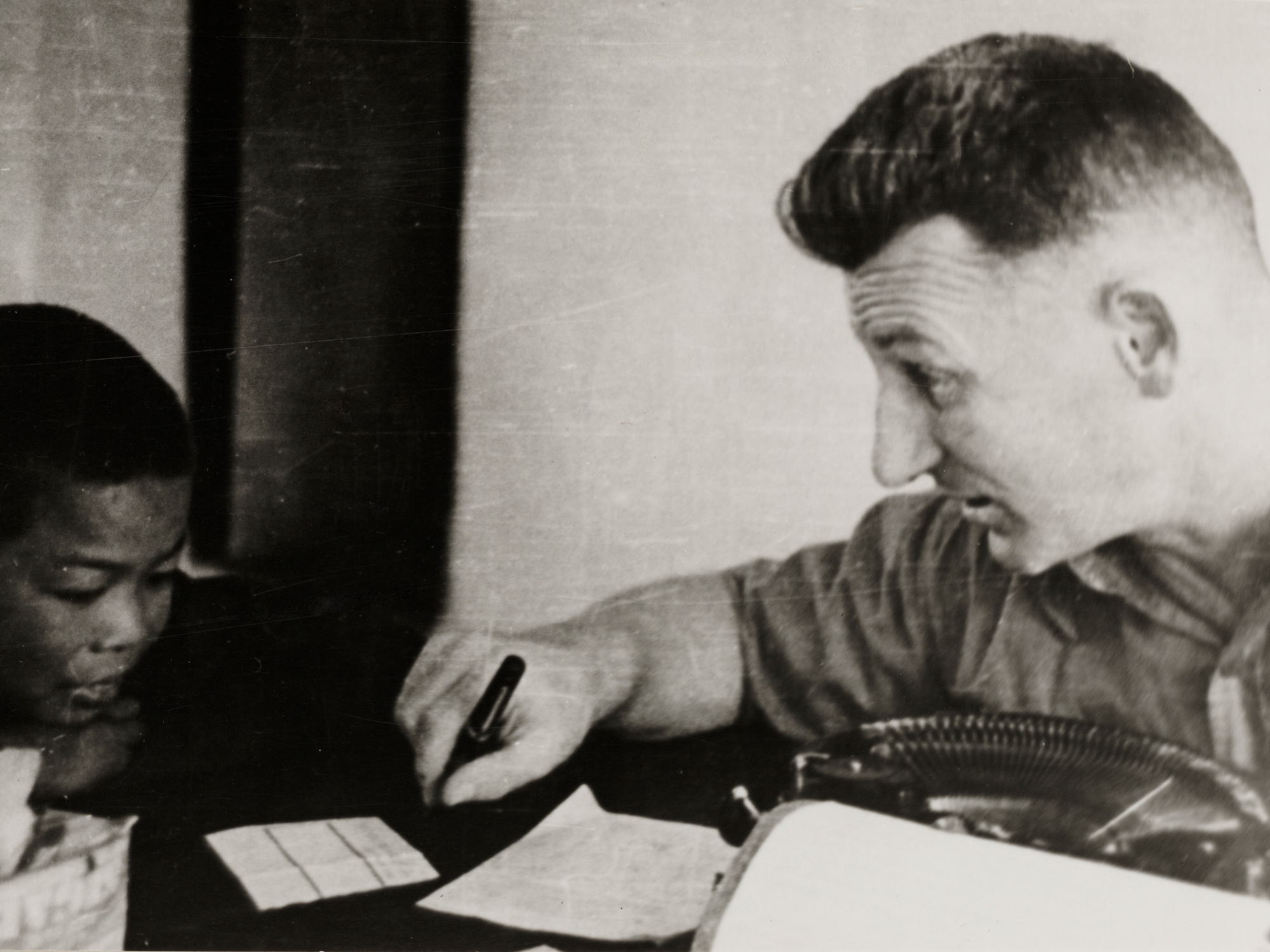
Rewi Alley teaching at Shandan School, Gansu, China, 1940s.

Alexander Turnbull Library (PA1-q-664-14-4)

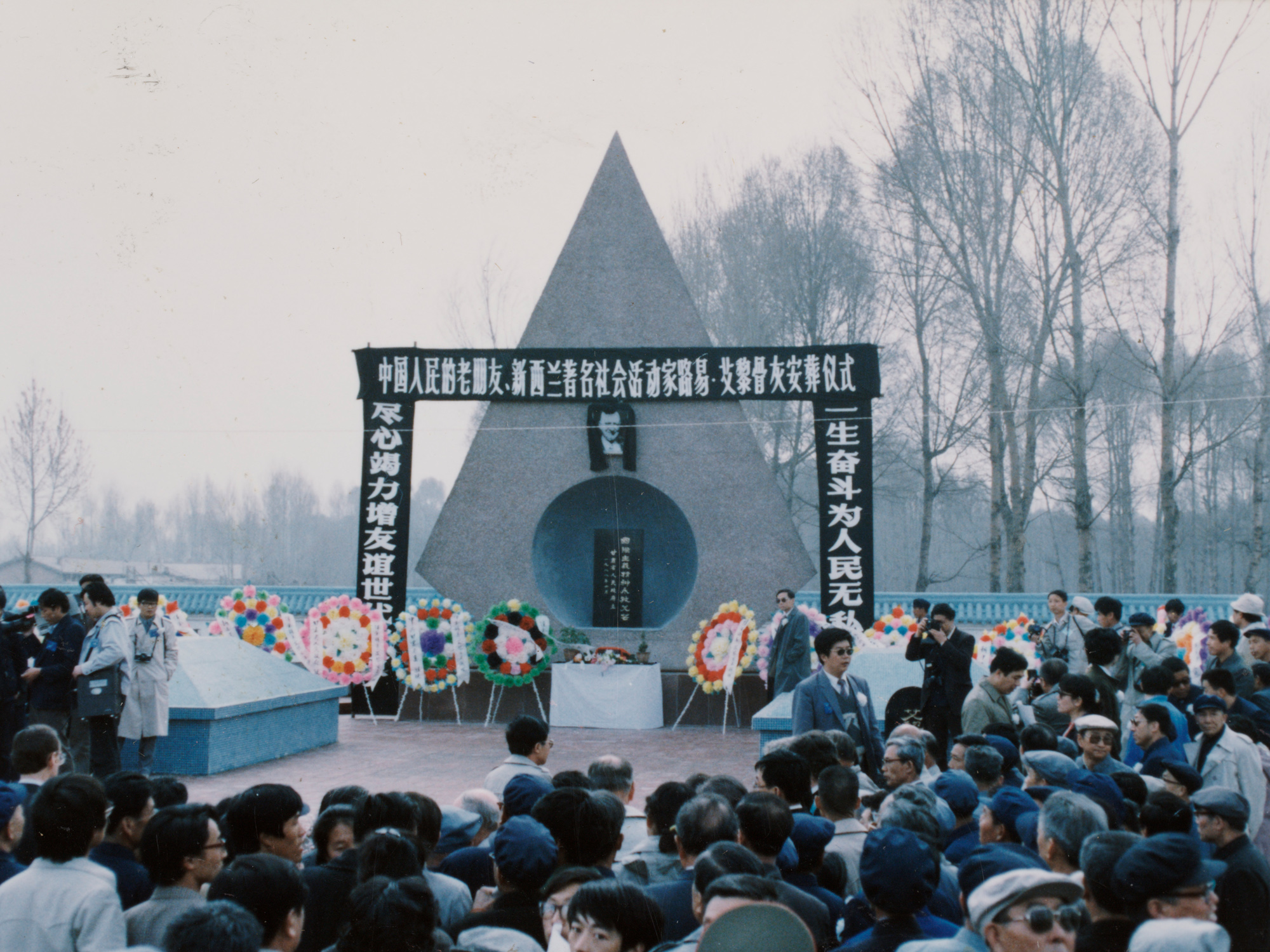
Mourners at Rewi’s funeral in China, 1987.

Alexander Turnbull Library (PA1-f-148-449-1)

Love of his homeland

Rewi Alley (1897–1987) was born in Springfield and grew up in Canterbury. After service in World War I and six years breaking in a farm in Taranaki, he left Aotearoa to go adventuring overseas.

In 1927, he arrived in China, where he made his home for the rest of his life. He began supporting the Chinese Communist Party in 1932, and became famed for his involvement in the Gung Ho movement.

This was the organisation through which thousands of small cooperatives kept industry alive during the war against Japan and in the transition to Communist rule in 1949. In 2009, he received a posthumous award as one of China’s ‘Top Ten International Friends’.

During his lifetime, Alley published over 60 books, including many volumes of poetry. He often expressed his love for Aotearoa through poems he wrote about the land and its people.


On display

Books of poetry by Rewi Alley (1897–1987)

The Alley family

Rewi’s father, Frederick Alley, was a school teacher and his mother, Clara (née Buckingham), was a prominent voice in the women’s suffrage movement and the Women’s Christian Temperance Union.

Frederick and Clara had seven children – the first three, Eric, Gwen and Rewi, while living in Springfield. Their interest in social reform and education influenced all the Alley children, not only Rewi.

Gwendolen Somerset MBE (1894–1988) was a pioneer in preschool and primary education practices, and president of the New Zealand Federation of Nursery Play Centres’ Associations (Playcentre).

Philip Alley (1901–1978) was a lecturer at the engineering school of the University of Canterbury. He is credited with the idea of moving the university campus from central Christchurch to the suburb of Ilam.

Geoffrey Alley OBE (1903–1986) was an All Black and Workers’ Educational Association tutor before becoming New Zealand’s first National Librarian in 1964.

Kathleen Wright (1906–1992) was a primary school teacher.

Joyce Alley (1908–2000) was a prominent nursing administrator.
Rewi-family2-sm.jpg

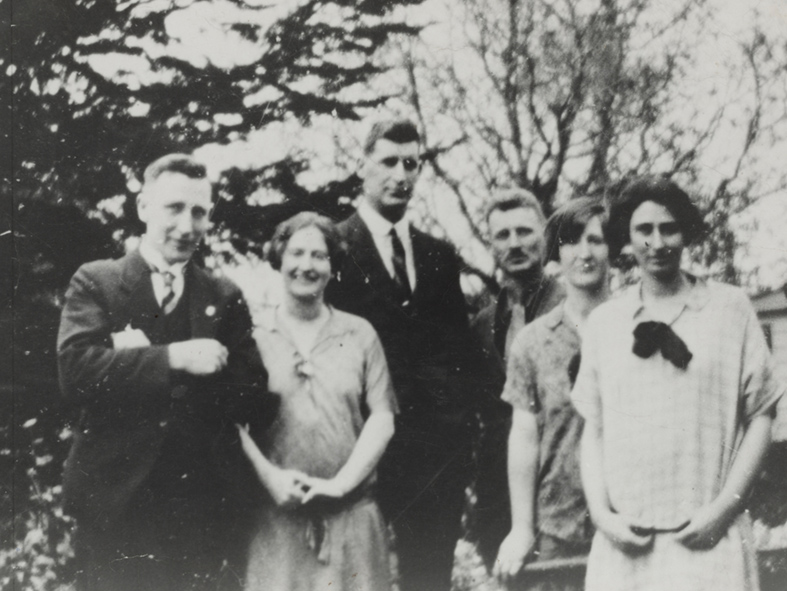
Six of the seven siblings together in New Zealand, 1925: (from left) Philip, Gwen, Geoff, Rewi, Joyce and Kathleen.

Alexander Turnbull Library (PA1-q-662-07-1)
Before China

Rewi joined the army in World War I and served on the western front in France. His older brother Eric also fought in the war and was killed in action.

Rewi was awarded the Military Medal. His citation read: Operations: West of Bapaume – 25 August 1918. For courage and devotion to duty. During the period of consolidation he went forward several times under heavy fire in charge of patrols, and by his courage and initiative gained and brought back valuable information. His coolness and courage were a fine example to the rest of his men.

Shandan Bailie School

In the 1930s, Rewi was involved in founding the Association of Chinese Industrial Cooperatives (Gung Ho/Work Together), which organised small-scale self-supporting cooperatives that employed workers and refugees, and participated in the War of Resistance against the Japanese. He helped set up schools, including the Shandan Bailie School, where he taught and was later headmaster until 1949.

The spirit of the Shandan School and Rewi’s legacy live on today through the Beijing Bailie University.

Friend to China

Many people attended Rewi’s funeral service in China in December 1987. Rewi’s grave is on the right of the dais, on the left is the grave of his friend, fellow Shandan School headmaster, George Hogg, who died from tetanus in 1945.

Rewi-birthday-sm.jpg

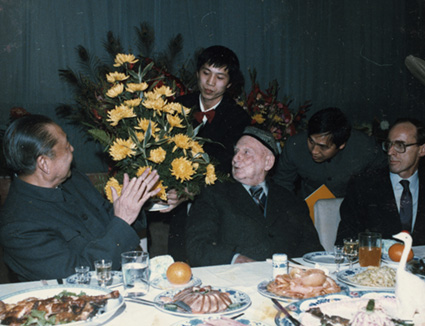
Flowers being presented to Rewi at a banquet held to celebrate his 90th birthday, 1986.

Alexander Turnbull Library (PA1-f-148-403-3)