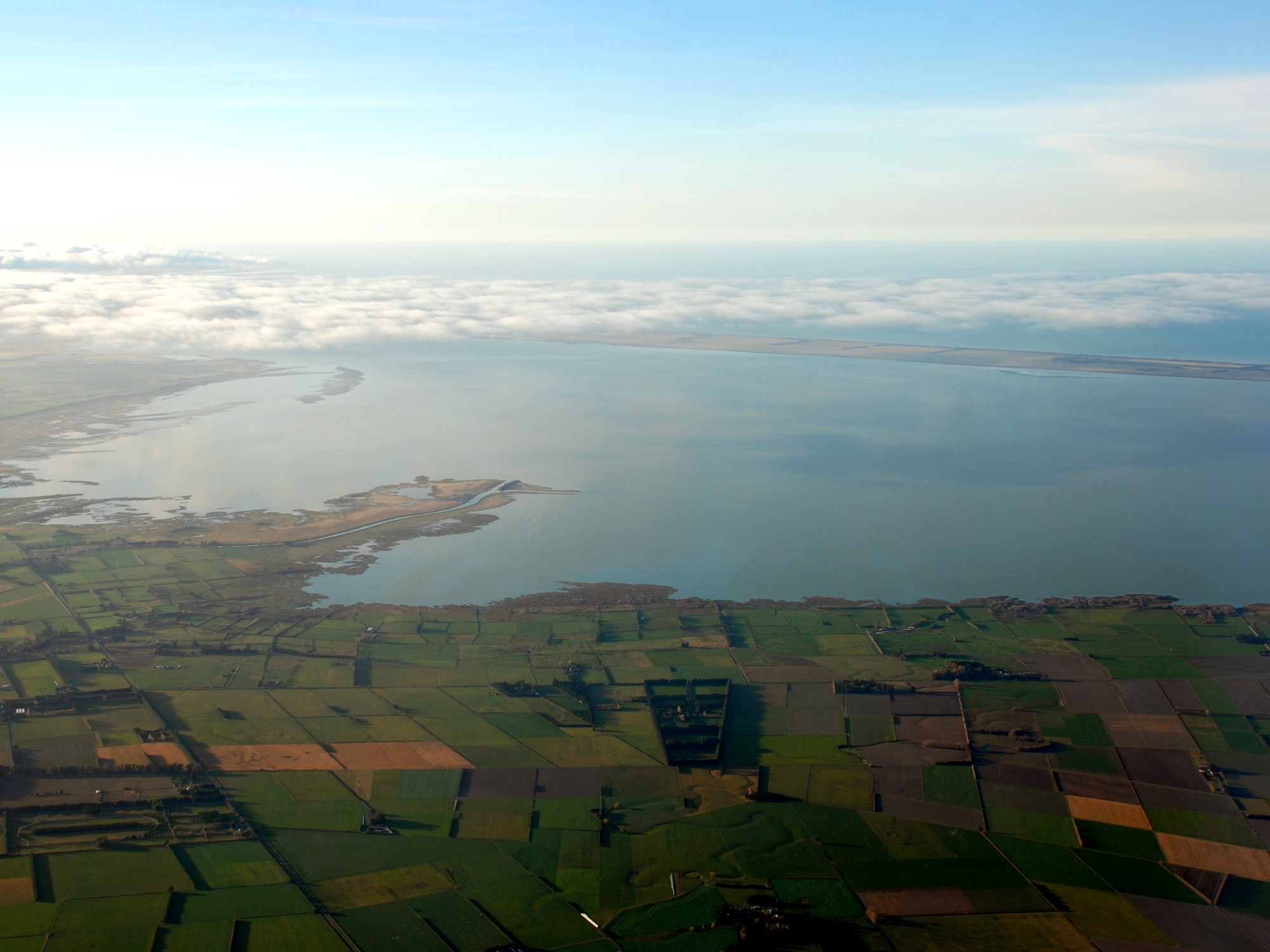
Te Waihora Lake Ellesmere and surrounding pasture from the air, 2007.

Phillip Capper, Flickr (CC BY 2.0)

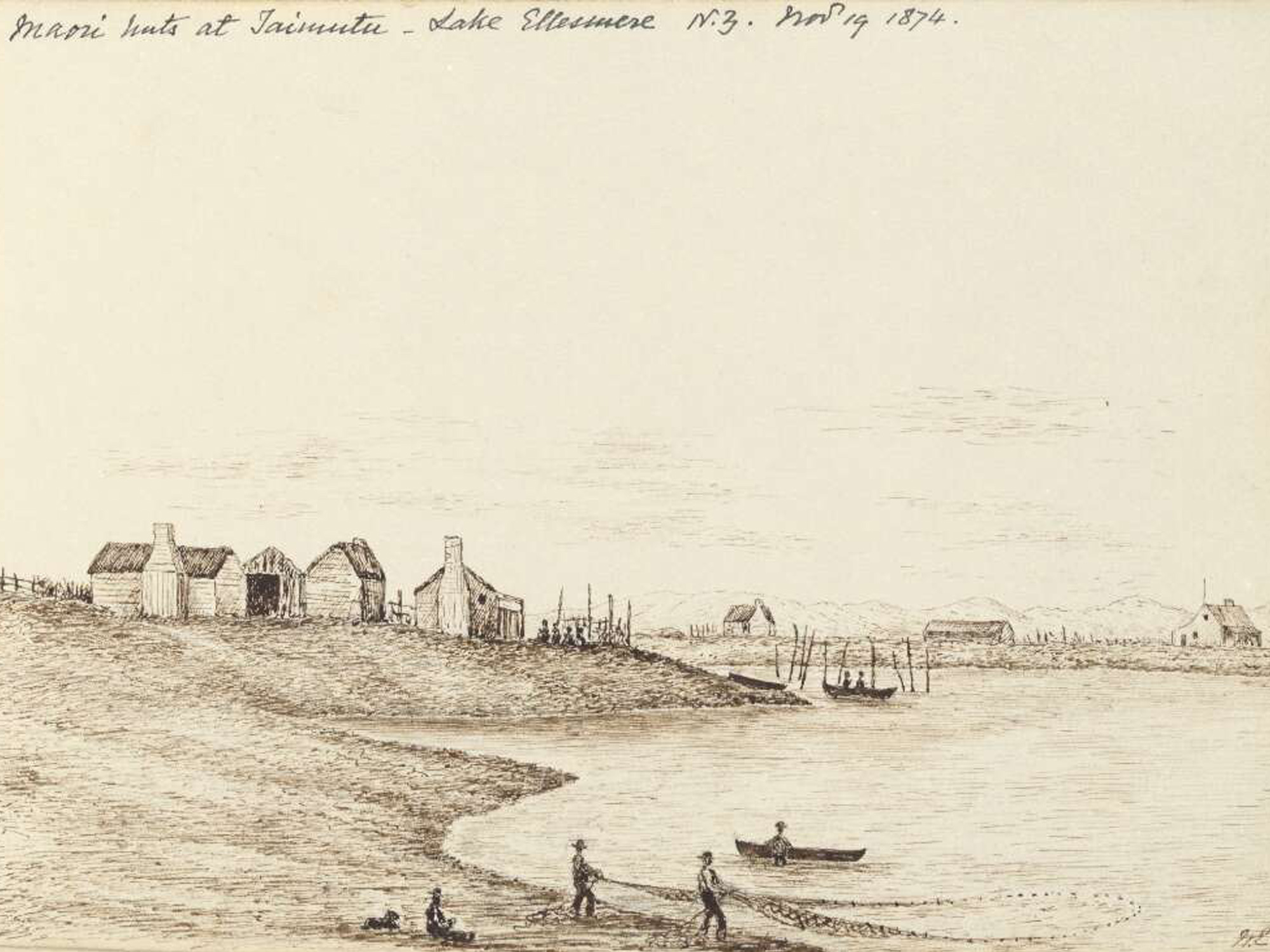
Sir Eliot Whatley: 'Maori huts at Taimutu [sic] – Lake Ellesmere N.Z. Nov 19 1874'.

National Library of Australia (NK2567/37)

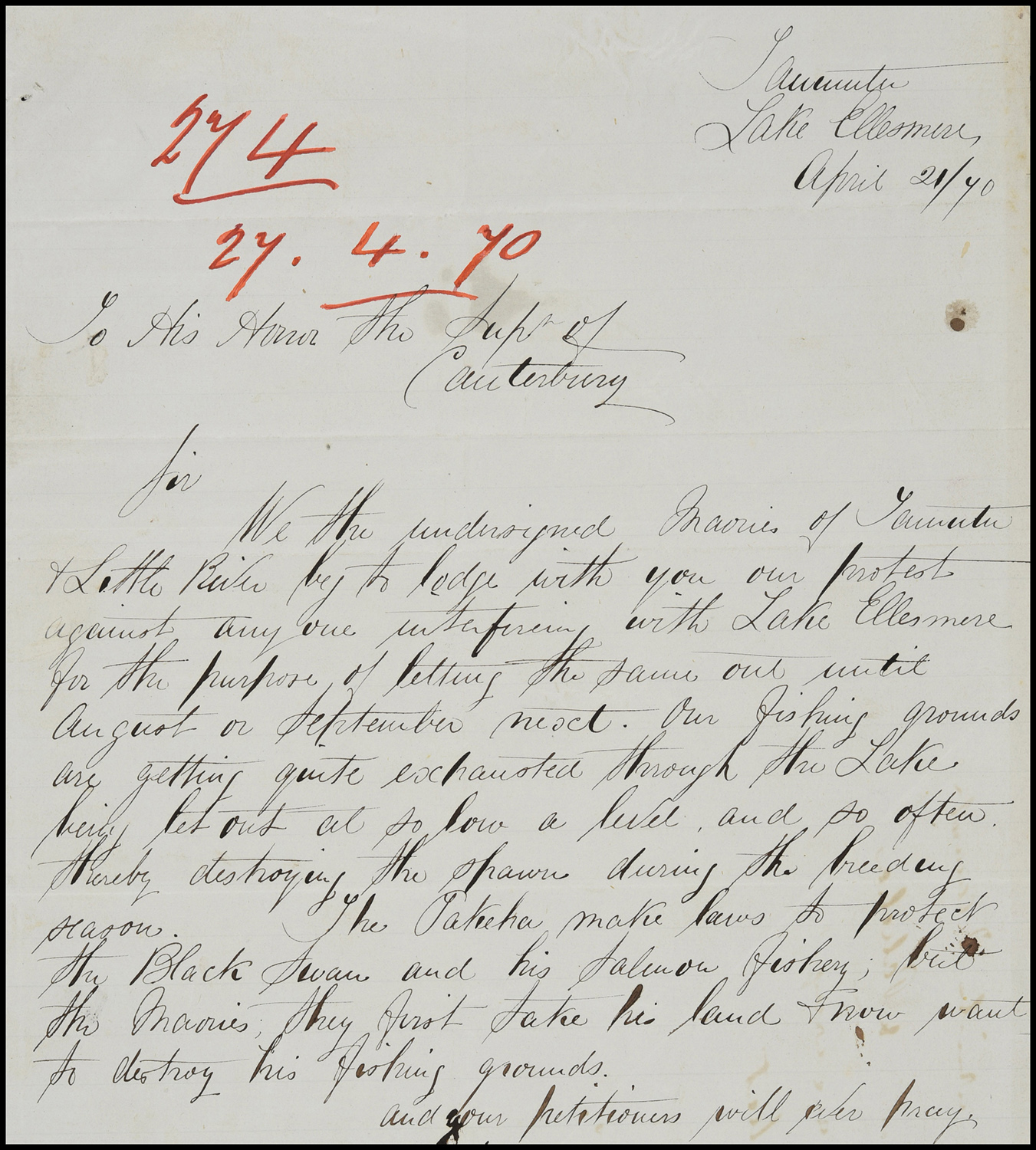
Te Waihora protest letter, 1870.

Archives New Zealand (CH287 CP230 ICPW 324/1870)

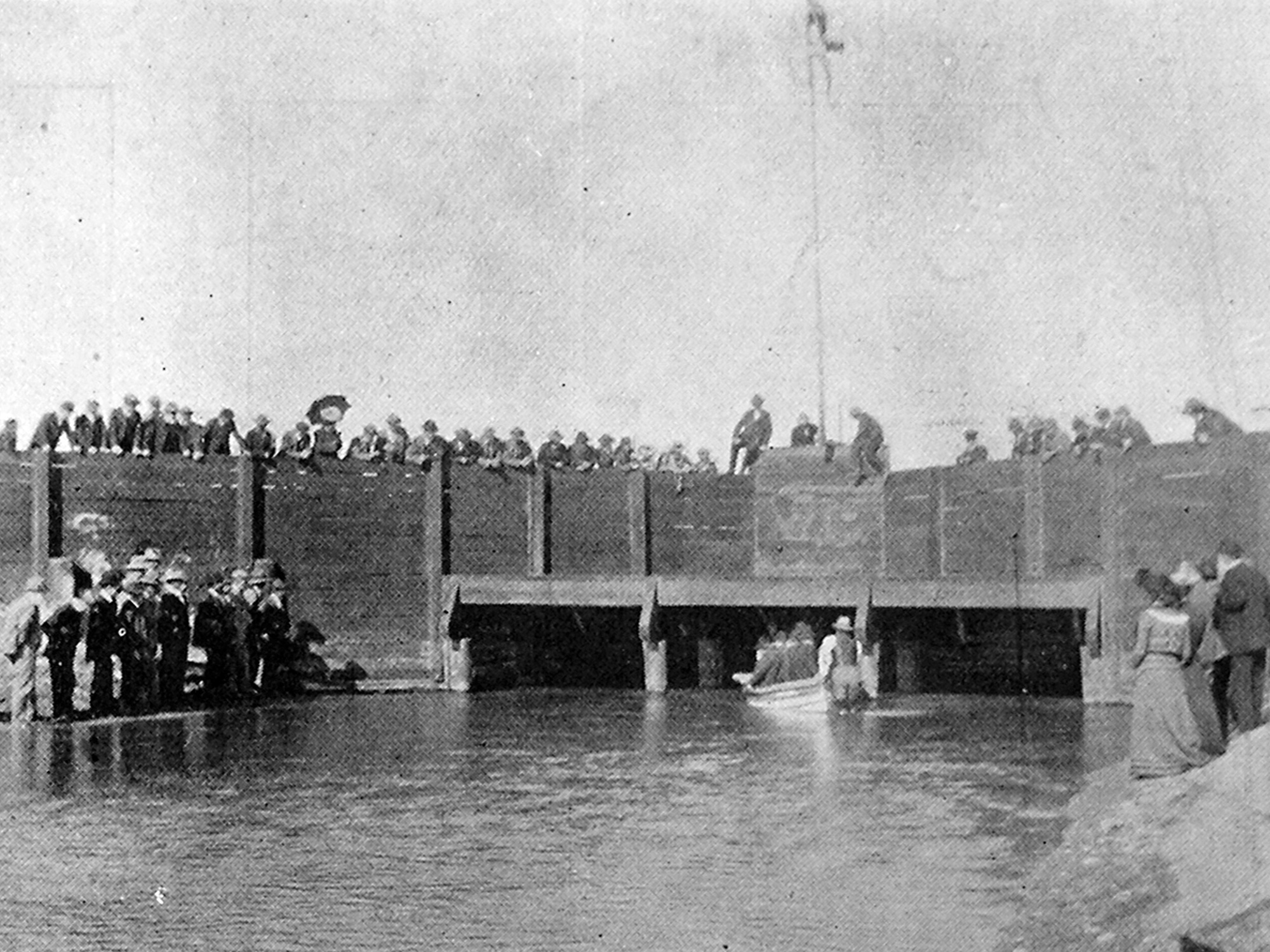
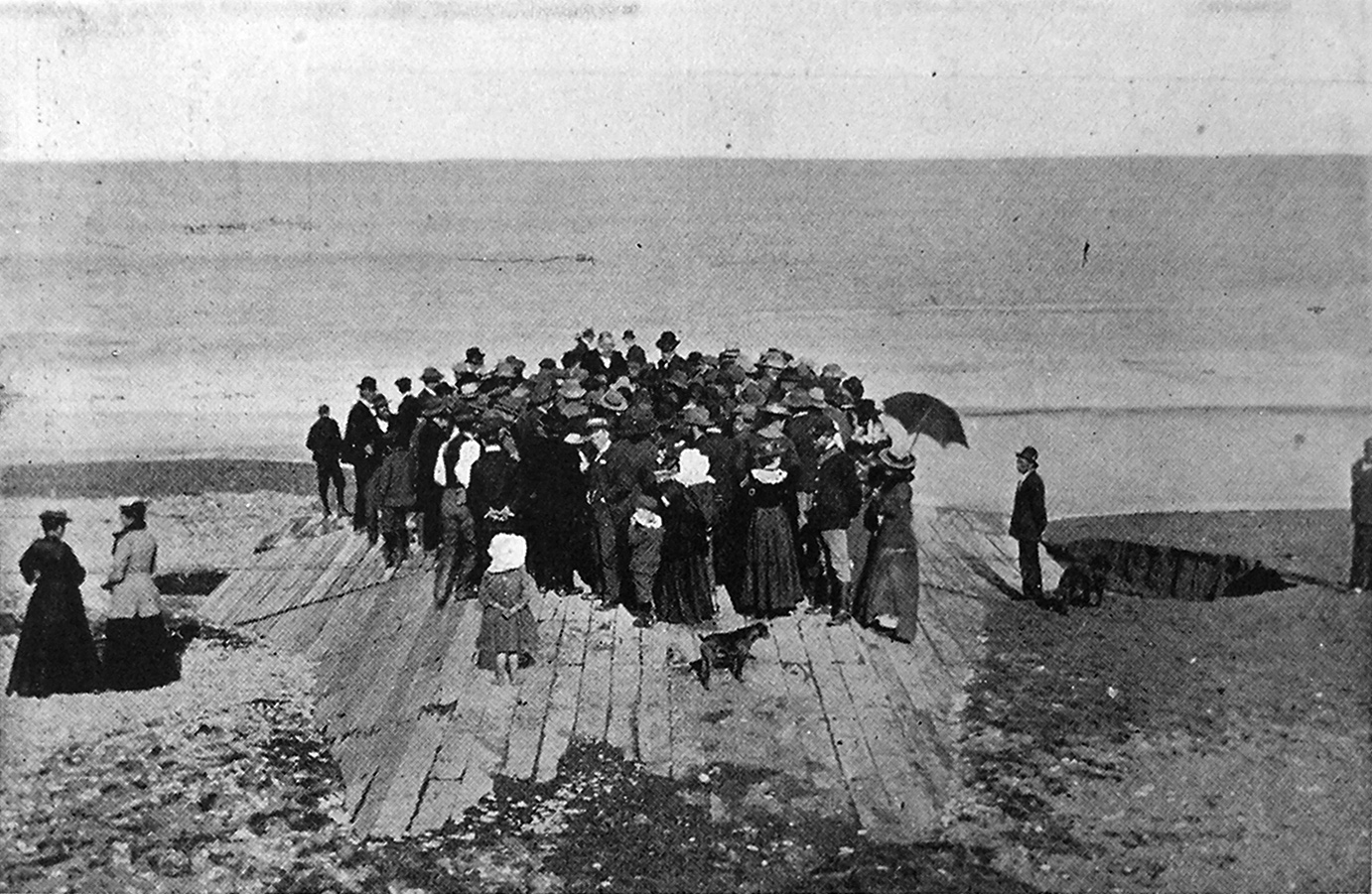
The Minister and others go through the outlet during the opening ceremony, 1904.

Canterbury Times, 18 May 1904, p.38. Christchurch City Libraries (CCL-Selwyn-P1211996)

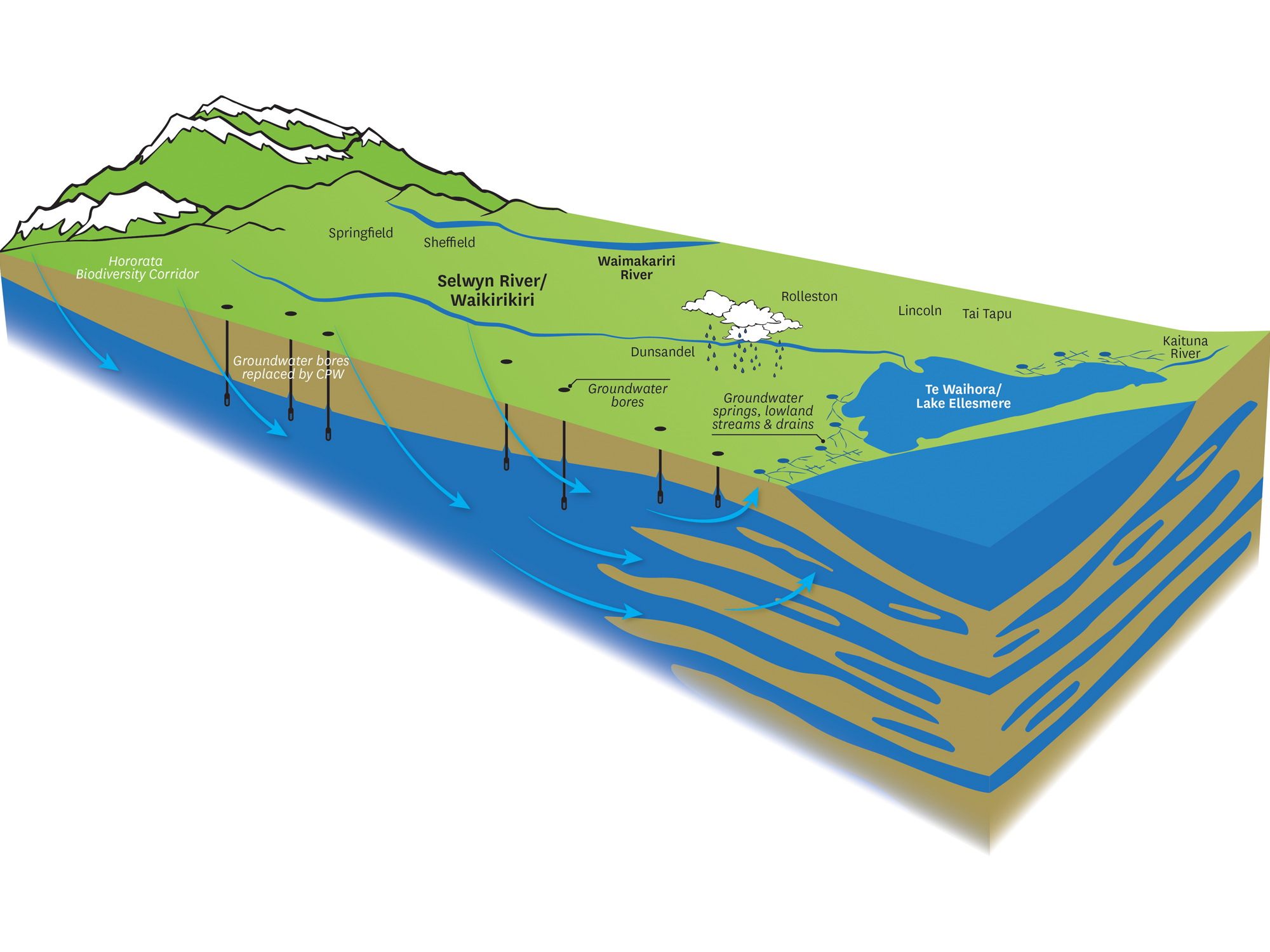
Graph showing water movement in the Selwyn District.

Courtesy of Environment Canterbury

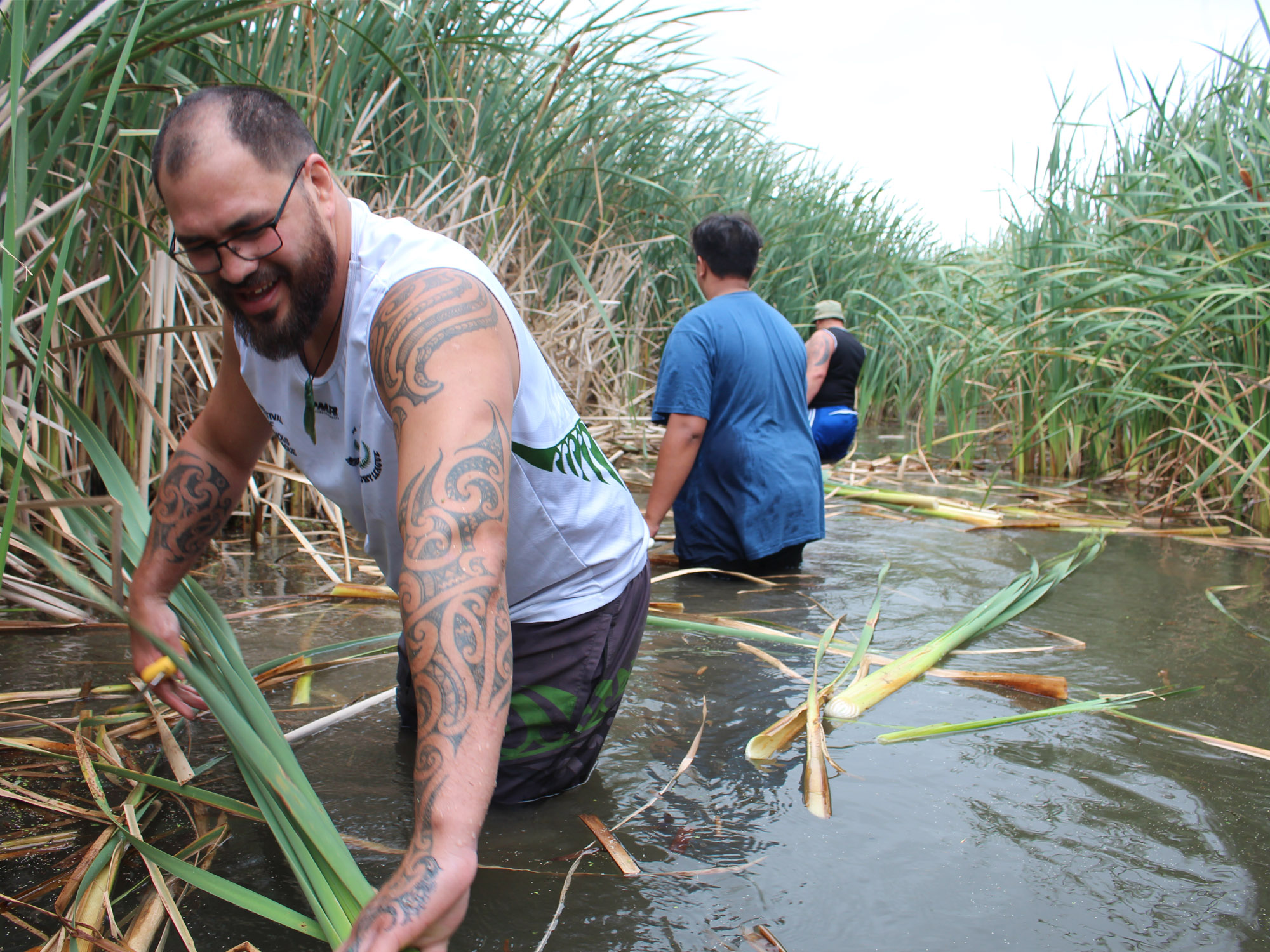
Whānau harvesting raupō at Taumutu, 2020: (from left) Rulon Nutira, Tane Payne, Jodi Cameron.

Photograph by and courtesy Puamiria Parata-Goodall

Love of Waihora

The widespread Te Waihora Lake Ellesmere has a special place in the hearts of people in our district – for its mahika kai and natural beauty and as a source of recreation or income, among other reasons.

For centuries, Te Waihora was a rich and sustainable environment for its people. In recent times, however, the mauri (life force) of the lake has become depleted. Drainage for farms has reduced the lake’s area. Water quality has been degraded by pollution seeping from surrounding land. Diverse animal and plant life has declined, and harvests have dwindled.

But a fresh initiative has seen the district’s kaitiaki and the wider community make concerted efforts to restore the lake’s mauri. A group representing local iwi and environmental and government bodies has taken charge to bring Te Waihora back to health.


On display

Water collected annually from Te Waihora Lake Ellesmere

Te Waihora

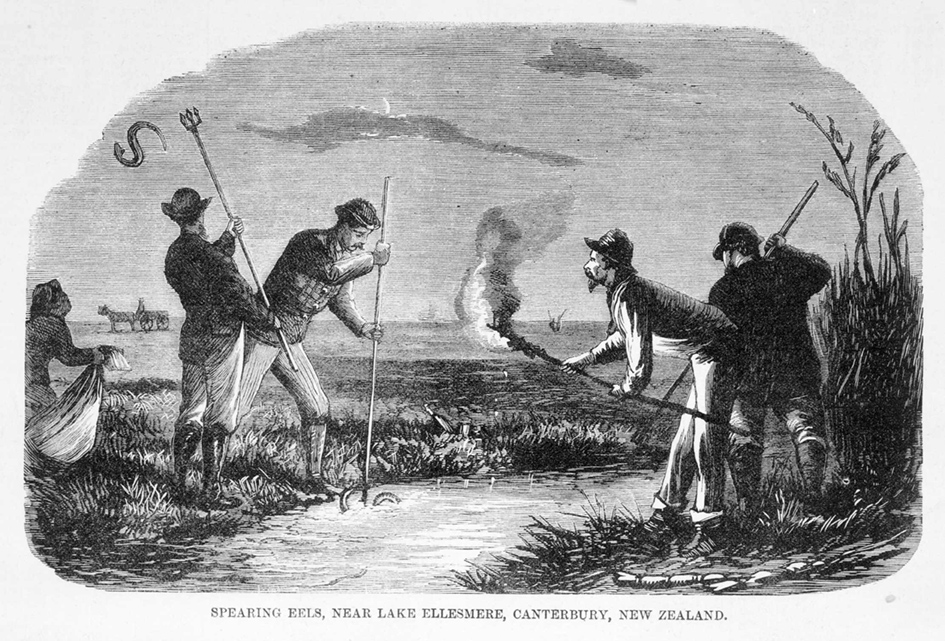
Traditionally, local Māori would occasionally open the lake to the sea to manage the area as a habitat for fish and birds, including aiding tuna migration. Later, Pākehā settlers used this method to drain surrounding wetlands for flood control, pasturage and land reclamation. Today the lake is less than half its original size.

Waihora-historical-sm.jpg

Spearing eel, near Lake Ellesmere, Canterbury, New Zealand, 1877.

The Illustrated Australian News, 16 April 1877. State Library Victoria (IAN16/04/77/60)

Protest

This letter of protest was sent by Taumutu and Wairewa (Little River) Māori to the Superintendent of Canterbury Province in 1870. They were concerned that land owners were draining water from the lake whenever it suited them.

The Ngāi Tahu Claims Settlement Act 1998 saw the lake bed returned to Te Rūnanga o Ngāi Tahu, and its management and regeneration are now under a collaborative administration.

Flood prevention

In 1904, a ceremony was held at Te Waihora where the Minister of Agriculture, the Hon T Y Duncan, opened a newly constructed outlet intended to stop the lake flooding onto surrounding farms on reclaimed land. Within seven months it was destroyed by heavy seas and another culvert was built in 1908–09. This lasted 16 years before it too was wrecked by seas.

Waihora-opening-sm.jpg

The Minister declaring the outlet open, 1904.

Canterbury Times, 18 May 1904, p.38. Christchurch City Libraries (CCL-Selwyn-P1211994)

Decline

Te Waihora catches what washes down from the Southern Alps and across the Canterbury Plains. Four main pollutants enter the lake this way – nitrogen, phosphorus, sediment and faecal microbes. Farmland nutrients like nitrogen and phosphorus take decades to filter through groundwater.

Restoration

In 2011, the need to restore the health and mauri of Te Waihora was formally recognised. A co-governance agreement was signed between Te Waihora Management Board (representing Te Rūnanga o Ngāi Tahu) and Environment Canterbury. By 2019, Selwyn District Council, Christchurch City Council and the Department of Conservation Te Papa Atawhai had also become signatories.

The group aims to restore the lake’s ecosystems by cleaning up its catchment. Initiatives include recreating areas of wetland, riparian planting, and weed removal, as well as reducing the concentrations of nitrogen flowing into the lake from farmlands.

Raupō is a great filter for water. It can become a ‘weed’ though, so we manage it by harvesting to make mokihi and manu tukutuku. Traditionally we would have also harvested it to use as thatching on our whare. It was also a kai source.

Puamiria Parata-Goodall, 2021


Pātiki - Ngāi Tahu Mahinga Kai

Te Waihora features in the Mahinga Kai video series produced by Ngāi Tahu. Watch the episode to learn about Te Waihora and its importance to Ngāi Tahu as a food source, and about the restoration of the lake and the vision for its future.

To watch the video, scan this QR code and the YouTube page will open on your device.

Te-Waihora-QR.jpg